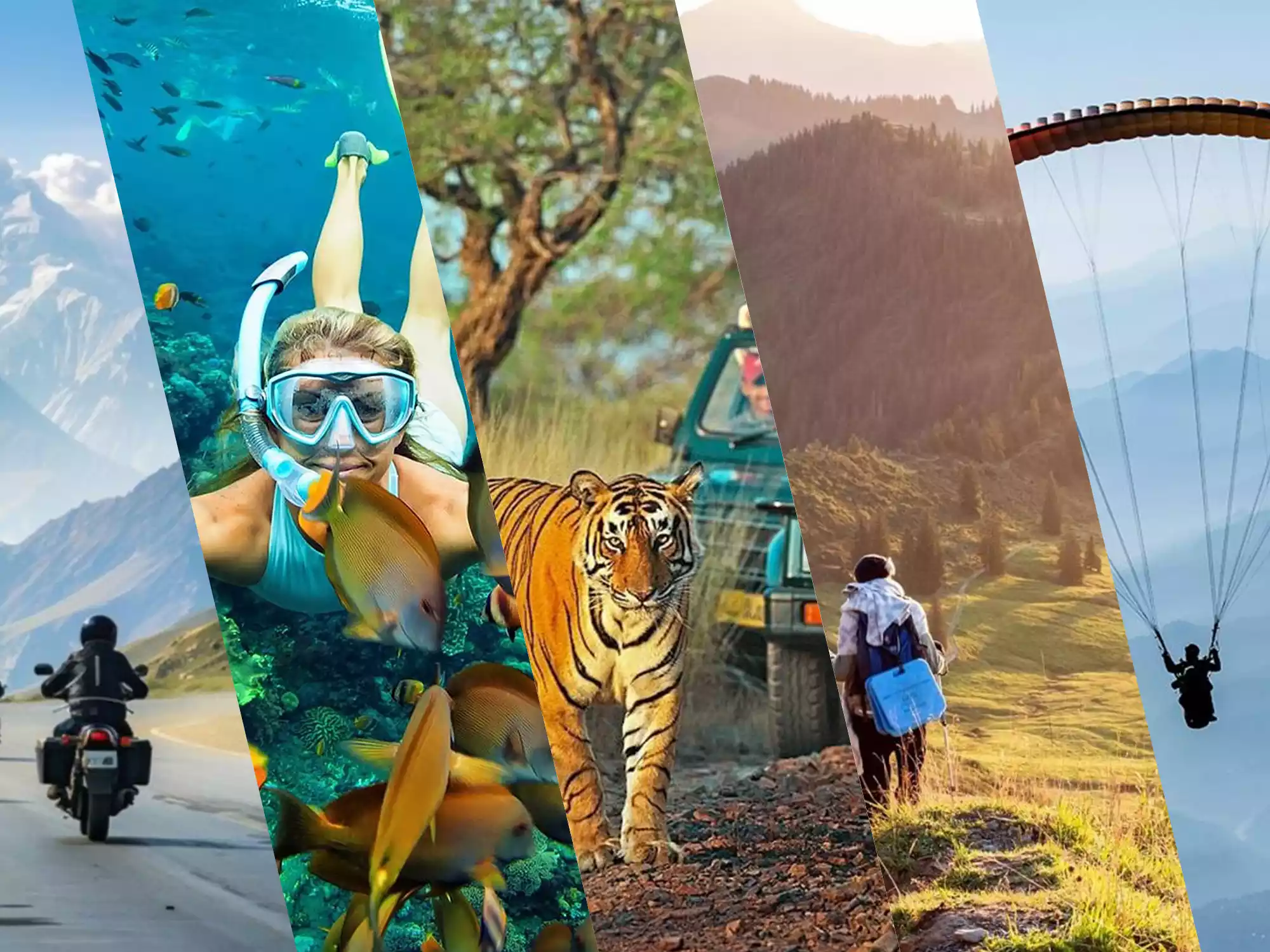
Modern travelers are no longer satisfied with simply visiting famous landmarks or relaxing at luxury resorts. More people are choosing experiences that challenge their limits, introduce them to different cultures, and create lifelong memories. This shift has made Adventure Travel one of the fastest-growing segments of the global tourism industry. Whether it involves trekking through mountain trails, diving into crystal-clear waters, exploring dense forests, or embarking on thrilling road trips, adventure tourism offers something far beyond traditional vacations.
In 2026, travelers are increasingly seeking meaningful journeys that combine excitement, sustainability, and personal growth. Remote work, flexible schedules, and improved transportation have made adventurous destinations more accessible than ever. Travelers also prioritize eco-friendly experiences, local communities, and responsible tourism. As a result, planning an adventurous trip requires more than choosing an exciting destination—it involves understanding safety, budgeting, environmental responsibility, and preparation.
This comprehensive guide explains everything you need to know about Adventure Travel, including popular activities, planning strategies, safety recommendations, budgeting, emerging trends, and practical tips that help you create unforgettable experiences while traveling responsibly.
What Is Adventure Travel?
Adventure Travel refers to journeys that involve physical activities, exploration of natural environments, and cultural immersion. Unlike ordinary vacations focused on sightseeing, adventure trips encourage travelers to actively participate in experiences that require curiosity, endurance, and sometimes even courage.
Adventure tourism covers a broad spectrum of activities. Some adventures are relatively easy, such as hiking scenic trails or kayaking on calm lakes, while others involve high-adrenaline experiences like mountaineering, white-water rafting, skydiving, or deep-sea diving. What connects all these activities is the opportunity to step outside everyday routines and embrace something extraordinary.
Modern adventure travelers also appreciate authentic interactions with local communities. Visiting traditional villages, learning indigenous survival techniques, exploring wildlife habitats, or joining guided conservation projects have become equally important aspects of today’s adventure experiences.
Why Adventure Travel Is More Popular Than Ever
The popularity of adventure tourism continues to rise because travelers increasingly value experiences over material possessions. Social media has certainly inspired many people to discover hidden destinations, but the real motivation goes much deeper. Adventure trips provide emotional satisfaction, confidence, and unforgettable stories that last much longer than luxury purchases.
Today’s travelers also recognize the mental and physical health benefits of outdoor activities. Hiking, cycling, climbing, and paddling reduce stress while encouraging physical fitness. Spending time in nature has been linked to improved mental well-being, making adventurous vacations an attractive escape from busy urban lifestyles.
Another important reason behind the growth is improved accessibility. Better transportation networks, digital booking platforms, GPS navigation, and professional tour operators have made previously difficult destinations easier and safer to explore.
Types of Adventure Travel Experiences
Adventure tourism includes activities suitable for beginners as well as experienced explorers. The right experience depends on personal fitness, interests, available time, and budget.
Soft Adventure
Soft adventure activities require limited technical skills and moderate physical effort. These experiences are ideal for families, couples, and first-time travelers who want excitement without significant risks.
Examples include nature walks, wildlife safaris, snorkeling, canoeing, cycling tours, camping, scenic trekking, and cultural exploration combined with outdoor activities.
Hard Adventure
Hard adventure involves physically demanding activities that often require specialized equipment, professional guidance, and advanced preparation. Participants usually need prior training or experience.
Activities include mountain climbing, ice climbing, technical rock climbing, deep cave exploration, paragliding, scuba diving in advanced locations, high-altitude trekking, and multi-day wilderness expeditions.
Choosing the Right Destination
Selecting the ideal destination depends on your preferred activities, seasonal conditions, travel experience, and available budget. Mountain lovers often seek alpine regions for trekking and climbing, while ocean enthusiasts prefer destinations offering surfing, diving, or kayaking.
Climate plays a significant role in successful trip planning. Researching weather conditions before booking helps avoid extreme temperatures, storms, or unsuitable trekking seasons. National parks, protected forests, coastal regions, deserts, volcanic landscapes, and river valleys each offer unique adventure opportunities throughout different times of the year.
Another factor worth considering is infrastructure. Some remote destinations require advanced logistics, permits, vaccinations, or specialized transportation. Planning these details well in advance reduces unexpected challenges during the journey.
Planning an Adventure Trip Successfully
A memorable trip begins with careful preparation. While spontaneity can be exciting, adventure tourism demands thoughtful planning to maximize safety and enjoyment.
The following checklist covers essential preparations:
- Research seasonal weather and local conditions.
- Purchase appropriate travel insurance covering adventure activities.
- Carry suitable clothing and quality safety equipment.
- Share your itinerary with family or trusted friends.
- Learn basic emergency procedures before departure.
Thorough planning minimizes unnecessary risks while allowing travelers to focus on enjoying their experiences instead of solving avoidable problems.
Essential Equipment for Adventure Travel
Choosing appropriate equipment significantly improves comfort, safety, and overall performance during outdoor adventures. Investing in reliable gear is often more valuable than purchasing expensive accessories that contribute little to actual travel needs.
| Equipment | Purpose | Importance |
|---|---|---|
| Hiking Backpack | Carry supplies comfortably | Essential |
| Waterproof Jacket | Weather protection | Essential |
| Trekking Shoes | Stability and comfort | Essential |
| First Aid Kit | Emergency treatment | Essential |
| Reusable Water Bottle | Hydration | Highly Recommended |
| Navigation Device or GPS | Route guidance | Highly Recommended |
| Headlamp | Night visibility | Recommended |
| Power Bank | Device charging | Recommended |
High-quality gear lasts longer, performs better in difficult environments, and often provides greater safety during unexpected situations.
Safety Should Always Come First
Excitement should never replace careful decision-making. Every adventurous activity carries some level of risk, but most accidents occur because of inadequate preparation rather than dangerous environments.
Travelers should honestly evaluate their physical fitness before attempting demanding activities. Hiring certified local guides for unfamiliar destinations significantly reduces risks while improving the overall experience through local knowledge and expertise. Monitoring weather forecasts daily is equally important because mountain, desert, and coastal conditions can change rapidly.
Understanding local emergency services, carrying communication devices where possible, and respecting official warnings help travelers make informed decisions throughout their journeys.
Sustainable Adventure Travel
Sustainability has become one of the defining characteristics of modern adventure tourism. Travelers increasingly recognize that preserving natural environments ensures future generations can enjoy the same breathtaking landscapes.
Responsible travelers minimize waste, avoid disturbing wildlife, stay on designated trails, and support local businesses whenever possible. Choosing eco-friendly accommodations, reducing plastic consumption, and respecting local customs contribute positively to both communities and ecosystems.
Many destinations now encourage visitors to participate in conservation activities such as beach cleanups, tree planting, wildlife monitoring, or environmental education programs. These experiences allow travelers to leave a positive impact beyond simply visiting a destination.
Budgeting for Adventure Travel
Adventure trips can fit a wide variety of budgets depending on transportation, accommodation, equipment, and chosen activities. Contrary to popular belief, exciting adventures do not always require luxury spending.
Budget-conscious travelers often reduce expenses by traveling during shoulder seasons, using public transportation, renting equipment locally, staying in hostels or campsites, and booking activities in advance. Meanwhile, premium adventure packages may include experienced guides, specialized equipment, gourmet meals, and exclusive accommodations.
Creating a realistic budget before departure helps avoid unnecessary financial stress while allowing flexibility for unexpected opportunities during the journey.
Technology Is Transforming Adventure Tourism
Technology has made adventurous journeys safer, more convenient, and increasingly accessible. GPS navigation, satellite communication devices, wearable fitness trackers, weather forecasting apps, and digital translation tools all contribute to improved travel experiences.
Artificial intelligence now assists travelers in itinerary planning, personalized recommendations, language translation, and route optimization. Drones, action cameras, and lightweight photography equipment also allow travelers to document extraordinary experiences with impressive quality.
Despite these technological advances, experienced adventurers still recommend maintaining traditional navigation skills, carrying physical maps when necessary, and avoiding complete dependence on electronic devices in remote environments.
Common Mistakes First-Time Adventure Travelers Make
Many beginners become overly excited and unintentionally overlook important preparation steps. Avoiding common mistakes significantly improves the quality of the overall experience.
Some frequent errors include:
- Underestimating weather conditions.
- Carrying either excessive or insufficient equipment.
- Ignoring physical fitness requirements.
- Failing to purchase suitable travel insurance.
- Overloading the itinerary with too many activities.
Learning from experienced travelers and researching destinations carefully helps prevent these issues before departure.
Health and Fitness Preparation
Preparing your body before departure makes adventurous activities more enjoyable and reduces the likelihood of injuries. Cardiovascular endurance, flexibility, and basic strength training are particularly valuable for trekking, climbing, cycling, and paddling activities.
Nutrition and hydration also play critical roles during adventure trips. Eating balanced meals, maintaining electrolyte levels, and drinking sufficient water improve endurance throughout physically demanding days. Travelers visiting high-altitude destinations should allow adequate time for acclimatization to reduce altitude-related illnesses.
The Future of Adventure Travel
The future of Adventure Travel continues to evolve alongside changing traveler expectations and technological innovation. Personalized itineraries, sustainable tourism, digital navigation, remote work opportunities, wellness-focused adventures, and community-based tourism are shaping the industry’s future.
Climate awareness is also influencing destination choices. Travelers increasingly seek operators that prioritize environmental conservation, carbon reduction, and responsible tourism practices. Governments and tourism organizations continue investing in protected natural areas while balancing visitor access with ecosystem preservation.
As global connectivity improves, even remote destinations are becoming more accessible without sacrificing authenticity. The emphasis is gradually shifting from simply visiting new places toward meaningful experiences that promote learning, cultural understanding, and environmental responsibility.
Frequently Asked Questions
What is Adventure Travel?
Adventure Travel is a style of tourism focused on outdoor activities, exploration, physical challenges, and cultural experiences. It may include hiking, rafting, diving, wildlife exploration, cycling, camping, and many other exciting activities depending on the destination.
Is Adventure Travel suitable for beginners?
Yes. Many adventure activities are designed specifically for beginners and require little prior experience. Guided hiking, kayaking, wildlife safaris, beginner scuba courses, and cycling tours provide excellent introductions while maintaining high safety standards.
How can I stay safe during an adventure trip?
Safety begins with proper planning. Travelers should research destinations, monitor weather forecasts, carry appropriate equipment, purchase travel insurance covering adventure activities, maintain physical fitness, and follow professional guides whenever necessary.
Is Adventure Travel expensive?
Not necessarily. Costs vary greatly depending on destinations and activities. Budget travelers can reduce expenses through camping, hostels, public transportation, and off-season travel, while luxury adventure experiences naturally involve higher costs.
Why is sustainable adventure tourism important?
Sustainable tourism protects natural ecosystems, supports local communities, preserves wildlife habitats, and ensures future travelers can continue enjoying these remarkable destinations without causing environmental damage.
Conclusion
Adventure tourism continues to redefine the way people explore the world. Rather than simply observing destinations, travelers increasingly seek experiences that challenge their abilities, deepen cultural understanding, and create lasting memories. Whether hiking through mountain landscapes, kayaking along scenic coastlines, exploring rainforests, or discovering remote villages, every journey offers opportunities for personal growth and meaningful connections.
As the travel industry continues evolving in 2026, careful planning, responsible tourism, environmental awareness, and respect for local communities remain essential elements of successful Adventure Travel. By preparing thoroughly, choosing suitable destinations, investing in proper equipment, and embracing sustainable practices, travelers can enjoy extraordinary adventures while helping preserve the world’s most remarkable natural and cultural treasures for generations to come.
Leave a Reply