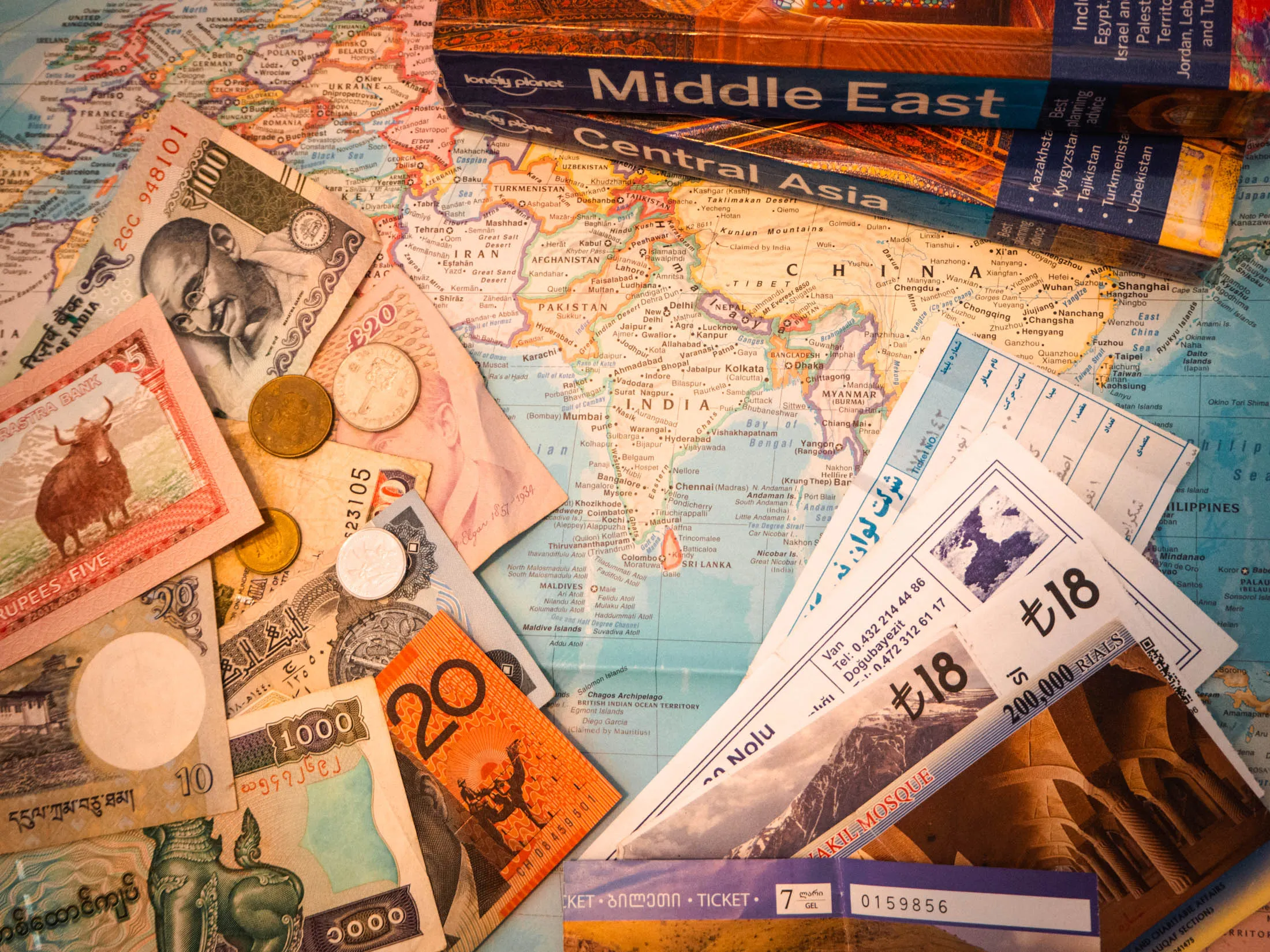
Travel has become more accessible than ever, but rising airfare, accommodation costs, and inflation have encouraged travelers to become more mindful of their spending. Instead of giving up on vacations, many people are embracing Budget Travel as a practical way to explore new destinations without overspending. Whether you’re planning a weekend getaway, a family vacation, or a long international adventure, careful planning can help you experience more while spending significantly less.
The travel industry in 2026 continues to evolve with flexible booking options, digital travel tools, affordable airlines, and growing interest in local experiences. Travelers are increasingly choosing slower, experience-focused journeys rather than expensive luxury trips. This shift has made Budget Travel more popular than ever, proving that memorable adventures are not defined by how much money you spend.
A successful budget-friendly trip is not about sacrificing comfort or missing attractions. Instead, it involves making informed decisions, comparing prices, booking at the right time, and prioritizing experiences that provide genuine value. With the right approach, anyone can travel frequently while staying within a realistic budget.
What Is Budget Travel?
Budget Travel refers to planning and enjoying trips while carefully managing expenses without compromising the overall experience. It focuses on spending wisely rather than simply spending less. Travelers save money by selecting affordable accommodations, traveling during off-peak seasons, using public transportation, finding reasonably priced dining options, and taking advantage of discounts and travel rewards.
Modern travelers also rely on mobile apps, AI-powered itinerary planners, digital payment systems, and price comparison platforms to reduce travel costs. The availability of budget airlines, shared accommodations, and flexible transportation has made affordable travel accessible to students, families, solo travelers, and retirees alike.
Rather than limiting enjoyment, budget-conscious planning often leads travelers to discover authentic neighborhoods, local restaurants, cultural festivals, and hidden attractions that are frequently overlooked by conventional tourists.
Why Budget-Friendly Trips Are Becoming More Popular
Several global trends have contributed to the growing popularity of affordable travel. Inflation and fluctuating exchange rates encourage travelers to plan more efficiently. At the same time, remote work allows many professionals to combine work and travel, extending trips while maintaining their income.
Social media has also influenced travel habits by showcasing lesser-known destinations that offer beautiful scenery without premium prices. Travelers increasingly value authentic cultural experiences over luxury hotels, making affordable destinations more attractive than ever.
Many governments have also invested in tourism infrastructure, improving transportation networks and making regional destinations easier to access. This allows visitors to enjoy quality experiences while keeping costs manageable.
Planning a Successful Budget Travel Adventure
Careful planning remains the foundation of every successful affordable trip. Researching destinations well in advance allows travelers to compare transportation, accommodation, seasonal pricing, and local attractions before making reservations.
Flexibility plays an important role. Traveling a few days earlier or later can significantly reduce airfare and hotel costs. Booking accommodations early often provides better availability and lower prices, especially during holiday seasons.
Creating a realistic travel budget helps avoid unnecessary expenses. Separating expected costs into categories such as transportation, accommodation, meals, sightseeing, shopping, and emergency funds ensures better financial control throughout the journey.
Essential Planning Checklist
- Set a realistic total travel budget before booking.
- Compare transportation and accommodation prices across multiple platforms.
- Keep an emergency fund separate from your travel budget.
- Track daily expenses using a budgeting app or notebook.
Choosing Affordable Destinations
Destination selection has one of the biggest impacts on overall travel expenses. Countries with favorable exchange rates, affordable public transportation, and reasonably priced accommodations often provide better value than expensive tourist hotspots.
Many emerging travel destinations now offer excellent infrastructure, beautiful natural attractions, delicious local cuisine, and comfortable accommodations at considerably lower prices. Smaller cities and rural destinations frequently provide richer cultural experiences while helping travelers stretch their budgets.
Domestic tourism is also becoming increasingly attractive. Exploring nearby regions often eliminates expensive international airfare while still providing memorable experiences, local traditions, and unique landscapes.
Saving Money on Flights
Airfare usually represents one of the largest travel expenses. Fortunately, several strategies can help travelers reduce flight costs without affecting the quality of their trip.
Booking flights several weeks or months in advance generally results in better fares. Flexible travel dates, midweek departures, and flying during less busy seasons can produce noticeable savings. Budget airlines continue expanding their networks, offering affordable alternatives for short and medium-distance travel.
Using fare alerts and comparing nearby airports also increases the likelihood of finding competitive ticket prices. While nonstop flights are convenient, occasional layovers may provide meaningful savings for travelers with flexible schedules.
Finding Comfortable Yet Affordable Accommodation
Accommodation options have expanded dramatically over the past few years. Travelers can now choose from hostels, guesthouses, vacation rentals, serviced apartments, capsule hotels, boutique inns, and homestays depending on their preferences and budget.
Longer stays often qualify for discounted weekly or monthly rates. Families may save money by renting apartments with kitchens instead of booking multiple hotel rooms. Cooking occasional meals can substantially reduce dining expenses throughout the trip.
Reading verified reviews before booking helps ensure that lower prices do not compromise cleanliness, safety, or location. Selecting accommodations close to public transportation can also reduce daily commuting costs.
Transportation Options That Save Money
Getting around efficiently can significantly reduce overall travel expenses. Many cities offer extensive public transportation systems that are affordable, reliable, and environmentally friendly.
Walking and cycling not only save money but also allow travelers to experience neighborhoods more closely. Several destinations now provide bike-sharing programs and unlimited public transport passes that offer excellent value for visitors staying multiple days.
For longer journeys, comparing trains, buses, budget airlines, and shared transportation options helps identify the most cost-effective solution depending on travel time and comfort preferences.
| Travel Expense | Money-Saving Strategy | Expected Benefit |
|---|---|---|
| Flights | Book early and stay flexible | Lower airfare |
| Hotels | Compare multiple accommodations | Better rates |
| Food | Eat at local restaurants | Reduced meal costs |
| Transportation | Use public transit | Lower daily expenses |
| Attractions | Visit free museums and parks | More sightseeing for less |
Eating Well Without Overspending
Food is an essential part of every travel experience, but dining costs can quickly exceed expectations. Choosing local restaurants instead of tourist-focused establishments often results in fresher meals at significantly lower prices.
Many cities have vibrant street food markets that showcase authentic regional flavors. Local bakeries, neighborhood cafés, and family-owned restaurants frequently offer excellent quality while remaining budget-friendly.
Travelers staying in apartments or hostels with kitchens can prepare breakfast or dinner occasionally, balancing convenience with savings. Shopping at local supermarkets also provides opportunities to sample regional products while reducing daily expenses.
Free and Low-Cost Attractions
One of the greatest misconceptions about travel is that memorable experiences always require expensive tickets. In reality, many destinations offer outstanding attractions that are completely free or require only a small entrance fee.
Historic neighborhoods, public gardens, hiking trails, beaches, cultural festivals, local markets, museums with discounted admission days, and scenic viewpoints often provide unforgettable experiences. Many cities also organize free walking tours where visitors learn about local history while tipping guides according to their satisfaction.
Planning sightseeing around free attraction days can significantly improve the overall value of a trip without limiting exploration.
Using Technology to Support Budget Travel
Modern technology has transformed the way travelers plan and manage trips. Mobile applications simplify itinerary planning, navigation, currency conversion, expense tracking, language translation, and transportation booking.
Artificial intelligence is increasingly helping travelers identify affordable routes, compare hotel prices, suggest personalized itineraries, and predict airfare trends. Digital payment systems also reduce the need to carry large amounts of cash while making international transactions more convenient.
Technology cannot replace thoughtful planning, but it provides valuable tools that help travelers make informed financial decisions throughout their journey.
Common Budget Travel Mistakes to Avoid
Even experienced travelers occasionally make costly mistakes that reduce the value of an otherwise affordable trip.
- Booking too late and paying premium prices.
- Ignoring baggage fees on low-cost airlines.
- Overspending on tourist-area restaurants.
- Forgetting travel insurance or emergency funds.
Avoiding these common errors allows travelers to enjoy smoother journeys while protecting both their finances and overall travel experience.
Sustainable Travel and Smart Spending
Sustainability has become an important part of modern tourism. Interestingly, environmentally responsible choices often align with cost-saving strategies. Walking instead of taking taxis, carrying reusable water bottles, supporting local businesses, and choosing public transportation reduce both expenses and environmental impact.
Many travelers are also embracing slow travel by spending more time in fewer destinations. This approach minimizes transportation costs while allowing deeper cultural connections and more meaningful experiences. Instead of rushing through multiple cities, travelers enjoy local traditions, regional cuisine, and community interactions that create lasting memories.
Frequently Asked Questions
What is Budget Travel?
Budget Travel is a style of traveling that focuses on reducing unnecessary expenses while maintaining enjoyable and comfortable experiences. It emphasizes smart planning, affordable transportation, economical accommodations, and thoughtful spending throughout the journey.
How much money should I budget for a trip?
The ideal travel budget depends on your destination, trip duration, travel style, and personal preferences. Creating a detailed budget that includes transportation, accommodation, meals, activities, shopping, and emergency expenses helps prevent overspending.
Is budget travel safe?
Yes, budget travel can be very safe when travelers research destinations carefully, choose reputable accommodations, stay aware of their surroundings, and keep emergency funds available. Reading verified reviews and following local guidelines also improves safety.
Can families enjoy budget-friendly vacations?
Absolutely. Families can save money by booking vacation rentals, traveling during shoulder seasons, preparing some meals themselves, and visiting destinations with free parks, beaches, museums, and family-friendly attractions.
Does traveling cheaply reduce the quality of the experience?
Not at all. Many affordable travel experiences are more authentic than luxury vacations because they encourage interaction with local communities, traditional food, cultural events, and everyday life in the destination.
Conclusion
Travel does not have to be expensive to be meaningful. With thoughtful planning, flexible scheduling, informed booking decisions, and responsible spending habits, anyone can explore remarkable destinations while staying within a comfortable budget. The growing availability of affordable transportation, digital travel tools, and alternative accommodations has made travel more accessible than ever before.
As travel trends continue evolving in 2026, Budget Travel remains one of the smartest approaches for individuals, couples, families, and solo adventurers who want to maximize experiences rather than expenses. By focusing on value instead of luxury, travelers can discover incredible places, build unforgettable memories, and enjoy more frequent adventures without placing unnecessary pressure on their finances.
Leave a Reply