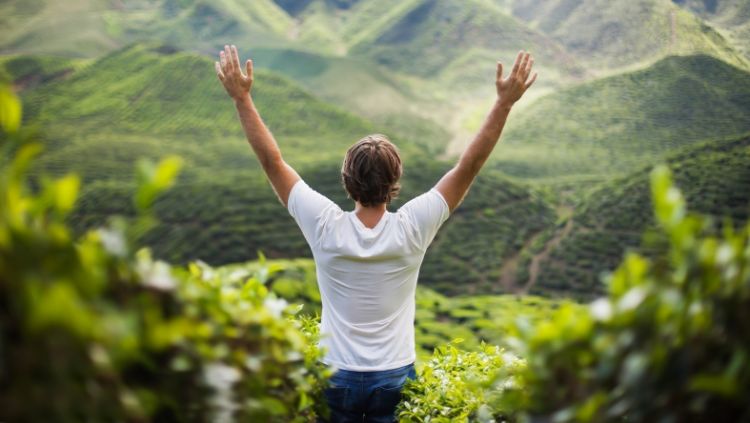
Solo Travel has transformed from a niche style of exploring the world into one of the fastest-growing travel trends. In 2026, more people than ever are choosing to travel independently, seeking personal growth, flexibility, and unforgettable experiences rather than waiting for the “perfect travel companion.” Whether you’re planning your first independent vacation or you’re already an experienced traveler, exploring a destination on your own offers a unique opportunity to connect with new cultures while learning more about yourself.
The modern travel landscape has also made independent journeys much easier. Digital maps, AI-powered travel assistants, cashless payments, language translation apps, and remote work opportunities have significantly reduced the challenges that solo travelers once faced. At the same time, travel providers now offer better accommodations, community events, and guided experiences specifically designed for individuals traveling alone.
However, successful Solo Travel requires thoughtful preparation. From choosing the right destination and budgeting wisely to staying safe and respecting local customs, every decision contributes to a rewarding experience. This guide covers everything you need to know about planning an enjoyable solo adventure in today’s travel environment.
Why Solo Travel Is More Popular Than Ever
The growing popularity of Solo Travel reflects changing lifestyles across the world. Many people now prioritize experiences over possessions, while flexible work arrangements allow professionals to combine work with exploration. Instead of coordinating schedules with family or friends, travelers can simply choose a destination and leave whenever they are ready.
Travel companies have also adapted to this shift. Hotels offer social common areas, hostels organize local activities, and tour operators provide small-group experiences where independent travelers can meet like-minded people without sacrificing freedom. Technology has made navigation, transportation, accommodation booking, and emergency communication much simpler than in previous years.
Beyond convenience, traveling alone encourages confidence and independence. Every decision—from selecting restaurants to navigating public transportation—helps build problem-solving skills. Many travelers return home with improved self-confidence, broader cultural awareness, and memories that remain meaningful for years.
Choosing the Right Destination
Selecting an appropriate destination is one of the most important decisions for any solo traveler. Beginners often benefit from visiting countries with reliable transportation, strong tourism infrastructure, and relatively low language barriers. Popular cities generally provide better public transport, clearer signage, and numerous accommodation options suitable for individuals.
When evaluating destinations, consider factors such as safety rankings, healthcare quality, internet availability, transportation systems, weather conditions, visa requirements, and local cultural expectations. Researching seasonal events can also help avoid overcrowded periods or unexpectedly high accommodation costs.
Instead of choosing a destination solely because it is trending on social media, think about your personal interests. Nature lovers may prefer mountain regions or national parks, history enthusiasts might enjoy heritage cities, while food lovers could focus on destinations known for local cuisine. Matching the destination to your interests creates a much richer experience.
Planning Your Itinerary
An effective itinerary balances structure with flexibility. Overloading each day with attractions often leads to exhaustion, especially when traveling alone. Instead, identify a few must-visit places while leaving room for unexpected discoveries.
Planning transportation between attractions in advance saves valuable time and reduces stress. Keep digital copies of bookings, passports, travel insurance, and emergency contacts stored securely online as well as offline on your device.
Budget Planning for Solo Travelers
Financial planning becomes especially important because there are no travel companions to split accommodation, transportation, or dining costs. Creating a realistic budget helps prevent unnecessary financial stress during the trip.
| Expense Category | Budget Recommendation |
|---|---|
| Accommodation | 30–40% of total budget |
| Food & Drinks | 20–25% |
| Transportation | 15–20% |
| Activities & Sightseeing | 15–20% |
| Emergency Fund | 10–15% |
A separate emergency reserve provides peace of mind if flights change, medical assistance becomes necessary, or unexpected expenses arise. Monitoring daily spending through budgeting apps can help maintain financial discipline throughout the journey.
Safety Tips for Solo Travel
Safety remains one of the most discussed aspects of Solo Travel, and with good preparation, most risks can be minimized significantly. Research local customs before arrival and stay aware of common tourist scams. Avoid displaying expensive jewelry, large amounts of cash, or unnecessary valuables in public places.
Share your travel itinerary with trusted family members or friends. Enable location sharing when appropriate, keep emergency phone numbers easily accessible, and purchase comprehensive travel insurance that includes medical emergencies, cancellations, and lost baggage.
The following habits greatly improve personal safety:
- Stay in accommodations with verified reviews and secure access.
- Keep photocopies and digital backups of important documents.
- Use licensed transportation services whenever possible.
- Trust your instincts and leave situations that feel uncomfortable.
These simple precautions allow travelers to focus more on enjoying the destination rather than worrying about avoidable risks.
Packing Smart Without Overpacking
Packing efficiently improves mobility and reduces unnecessary stress throughout the journey. Lightweight luggage is easier to carry through airports, train stations, and city streets while minimizing baggage fees.
Consider including:
- Versatile clothing suitable for multiple weather conditions.
- A portable charger and universal travel adapter.
- Basic medications and a compact first-aid kit.
- Reusable water bottle and essential travel documents.
Rather than packing for every possible scenario, choose clothing that can be mixed and matched easily. Packing cubes also help organize belongings while maximizing suitcase space.
Technology That Makes Solo Travel Easier
Technology has become one of the biggest advantages for independent travelers in 2026. Smartphones now function as navigation devices, payment tools, translators, travel planners, and emergency communication systems.
Offline maps remain valuable when internet access becomes limited. Translation applications help overcome language barriers, while digital wallets reduce the need to carry large amounts of cash. AI-based itinerary planners can recommend nearby attractions, restaurants, and transportation options based on current conditions.
Travelers should also protect their digital security by using strong passwords, enabling two-factor authentication, avoiding public Wi-Fi for financial transactions, and regularly backing up important photos to cloud storage.
Finding Accommodation That Fits Your Travel Style
Accommodation plays a major role in shaping the overall experience. Budget-conscious travelers often choose hostels because they encourage social interaction through shared spaces and organized events. Boutique hotels provide greater privacy, while serviced apartments are ideal for extended stays or remote workers.
Reading recent reviews is especially important because service quality can change over time. Focus on cleanliness, neighborhood safety, transportation access, and staff responsiveness rather than price alone. Paying slightly more for a safer location often provides better overall value.
Meeting People While Traveling Alone
One common misconception is that independent travel must be lonely. In reality, many solo travelers find it easier to meet new people because they naturally become more approachable.
Walking tours, cooking classes, cultural workshops, hiking excursions, and local festivals create excellent opportunities for meaningful conversations. Coworking spaces and cafés have also become popular meeting places for digital nomads and remote workers from around the world.
At the same time, remember that spending time alone is equally valuable. Some of the most memorable travel moments come from quietly exploring neighborhoods, watching sunsets, or enjoying local food without distractions.
Responsible and Sustainable Travel
Modern Solo Travel is increasingly connected with sustainable tourism. Travelers are becoming more conscious about reducing environmental impact while supporting local communities.
Choosing locally owned accommodations, purchasing handmade products from artisans, using public transportation, reducing plastic waste, and respecting wildlife all contribute to more responsible tourism. Learning a few phrases in the local language and understanding cultural etiquette also demonstrates respect toward host communities.
Sustainable choices often create richer travel experiences because they encourage deeper interactions with local people instead of focusing only on popular tourist attractions.
Common Mistakes First-Time Solo Travelers Should Avoid
Many first-time travelers make avoidable mistakes simply because they become overly excited during planning. Booking every hour of every day leaves little room for relaxation or spontaneous experiences. Likewise, ignoring travel insurance to save money can become extremely costly during emergencies.
Another frequent mistake is relying entirely on internet connectivity. Downloading offline maps, storing copies of reservations, and carrying a backup payment method provide additional security. Travelers should also avoid sharing their exact real-time location publicly on social media until after leaving a destination.
Learning from these common mistakes helps create smoother journeys while increasing confidence for future adventures.
FAQs
Is Solo Travel safe for beginners?
Yes, Solo Travel can be very safe when proper planning is involved. Choosing destinations with good tourism infrastructure, researching local customs, purchasing travel insurance, staying aware of surroundings, and maintaining communication with family members all contribute to a secure experience. Beginners should start with destinations known for being traveler-friendly.
How much money should I budget for a solo trip?
Your budget depends on the destination, travel style, and trip duration. In general, create a daily spending estimate covering accommodation, meals, transportation, sightseeing, and emergencies. Always reserve additional funds for unexpected expenses such as medical needs or transportation changes.
What are the biggest advantages of traveling alone?
Independent travel provides complete freedom to create your own schedule, explore personal interests, make spontaneous decisions, and develop greater confidence. Many travelers also enjoy meeting people from different cultures while gaining valuable life experiences through self-reliance.
How can I avoid feeling lonely during my trip?
Participating in local tours, attending cultural events, staying in social accommodations, joining hobby-based activities, or simply spending time in cafés can naturally lead to conversations with other travelers and local residents. Balancing social experiences with quiet personal time often creates the most satisfying journey.
What should I do in case of an emergency?
Keep emergency contact numbers, travel insurance information, passport copies, and local embassy details easily accessible. Inform trusted family members about your itinerary and maintain regular communication throughout your trip. Quick access to essential information helps resolve emergencies more efficiently.
Conclusion
Solo Travel continues to evolve as one of the most rewarding ways to experience the world. Advances in technology, improved travel infrastructure, and growing awareness of independent travel have made exploring new destinations safer and more accessible than ever before. Whether your goal is personal growth, cultural discovery, adventure, or relaxation, traveling alone offers unmatched flexibility and unforgettable memories.
The key to a successful journey lies in preparation, awareness, and an open mindset. Choosing the right destination, managing your budget wisely, respecting local cultures, and prioritizing safety allow you to enjoy every stage of the adventure with confidence. As travel continues to adapt to modern lifestyles, Solo Travel remains an inspiring opportunity to discover not only new places but also your own capabilities, independence, and resilience.
Leave a Reply