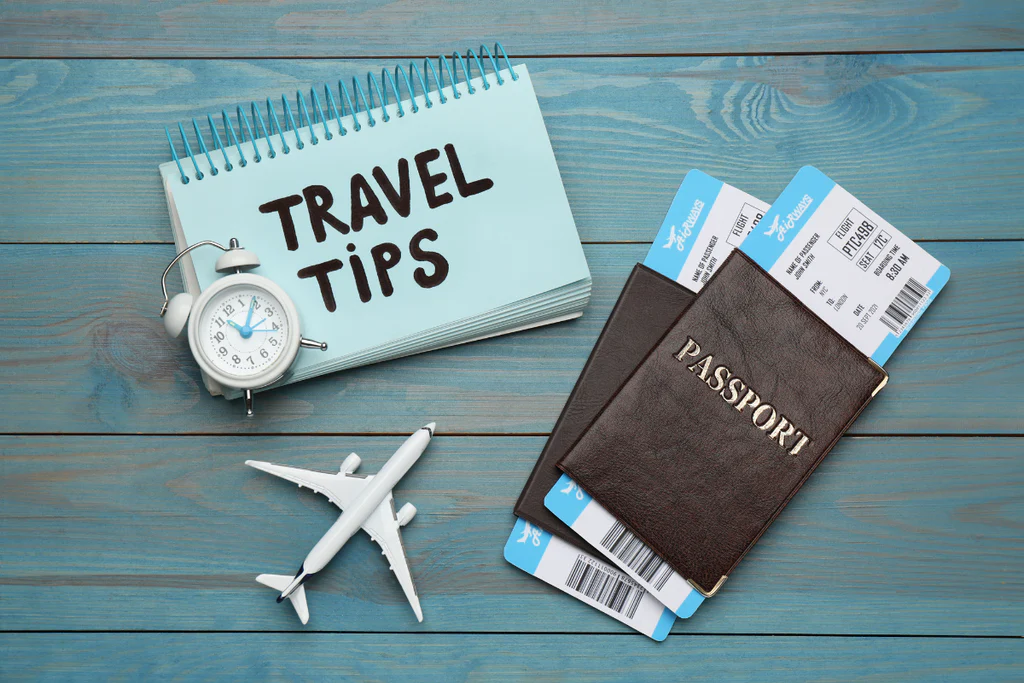
Travel has become more accessible than ever, but it has also become more dynamic. Rising travel demand, digital booking systems, changing visa requirements, and evolving airline policies mean that travelers need better planning than ever before. Whether you’re planning a weekend getaway, an international vacation, a business trip, or a long backpacking adventure, making informed decisions before and during your journey can save both time and money while reducing unnecessary stress.
Following practical Travel Tips helps travelers avoid common mistakes and make the most of every destination. Instead of dealing with unexpected expenses, delayed flights, or packing problems, a well-prepared traveler enjoys a smoother and more memorable experience. Preparation doesn’t remove spontaneity—it simply creates more opportunities to enjoy the journey.
In 2026, technology, sustainable tourism, and flexible travel planning have become central to modern travel experiences. From digital travel documents to AI-powered itinerary planning, today’s travelers have more tools available than ever before. This guide shares practical advice that suits first-time travelers as well as experienced explorers looking to travel smarter.
Why Planning Before You Travel Matters
Every successful journey begins long before boarding a flight or starting a road trip. Researching your destination helps you understand local customs, transportation options, weather conditions, and seasonal events. It also allows you to compare accommodation, book popular attractions early, and estimate your travel budget more accurately.
Modern travelers benefit greatly from flexible planning. Many airlines and hotels now offer refundable or changeable bookings, making it easier to adapt if plans change unexpectedly. Creating a balanced itinerary also prevents exhaustion by allowing enough time for relaxation, local exploration, and unexpected discoveries. Good planning ultimately leads to better experiences and fewer travel-related frustrations.
Essential Travel Tips Before Leaving Home
Preparing properly before departure reduces last-minute stress and minimizes the risk of travel disruptions. Travelers should verify passport validity, review visa requirements, confirm travel insurance coverage, and keep digital copies of important documents stored securely on cloud storage or a trusted mobile device.
Before departure, it is also wise to notify your bank if traveling internationally, download offline maps, install airline and transportation apps, and check local weather forecasts. These simple preparations can prevent unnecessary inconveniences during your journey.
Pre-Travel Checklist
| Task | Why It Matters |
|---|---|
| Check passport validity | Many countries require six months’ validity |
| Purchase travel insurance | Protects against medical and trip disruptions |
| Download offline maps | Useful without internet access |
| Save digital documents | Easier access during emergencies |
| Check baggage rules | Avoid unexpected airline fees |
Smart Packing Strategies for Every Traveler
Packing efficiently remains one of the most valuable Travel Tips regardless of destination. Overpacking increases baggage costs and makes transportation more difficult, while underpacking often leads to unnecessary shopping expenses after arrival. The key is selecting versatile clothing that matches the expected climate and planned activities.
Packing cubes have become increasingly popular because they keep luggage organized and maximize available space. Rolling clothes instead of folding them also helps reduce wrinkles while creating extra room inside the suitcase. Keeping medications, chargers, travel documents, and one change of clothes in a carry-on bag provides peace of mind in case checked luggage is delayed.
The growing popularity of lightweight luggage has also made traveling more convenient. Durable carry-on bags with built-in USB charging ports and secure locking systems add both functionality and security without adding unnecessary weight.
Budget-Friendly Travel Without Sacrificing Comfort
Traveling on a budget does not mean compromising the quality of your experience. Instead, it involves making smarter financial decisions before and during the trip. Booking flights several weeks in advance, comparing hotel prices across multiple platforms, and traveling during shoulder seasons often result in significant savings.
Many destinations now offer city tourism passes that include discounted entry to attractions and unlimited public transportation. Dining slightly away from major tourist areas often provides better food at lower prices while supporting local businesses. Setting a daily spending budget also helps travelers avoid overspending without limiting memorable experiences.
These practical Travel Tips allow travelers to spend more on meaningful experiences instead of unnecessary expenses.
Staying Safe While Traveling in 2026
Safety remains one of the highest priorities for modern travelers. While many destinations are safer than ever, being aware of your surroundings continues to be essential. Travelers should avoid displaying expensive valuables, use secure payment methods, and stay informed about local advisories before exploring unfamiliar neighborhoods.
Technology has significantly improved travel safety. Location-sharing features, emergency contact applications, digital payment systems, and secure mobile wallets reduce many traditional travel risks. Keeping emergency contact numbers readily available and understanding local emergency procedures provides additional confidence throughout the journey.
Travel insurance has become increasingly important, especially for international trips where medical expenses can be substantial. Comprehensive coverage now often includes flight cancellations, medical emergencies, lost luggage, and travel interruptions, making it an essential part of responsible travel planning.
Using Technology to Improve Your Travel Experience
Technology continues to transform the way people travel. Mobile applications simplify everything from booking transportation and accommodation to translating foreign languages instantly. AI-powered itinerary planners help travelers discover attractions based on personal interests, travel duration, and available budgets.
Digital boarding passes, contactless hotel check-ins, mobile payment systems, and eSIM technology have reduced dependence on paper documents and physical SIM cards. Offline navigation applications allow travelers to explore confidently even in areas with limited internet connectivity.
Making use of these digital tools represents one of the smartest Travel Tips for today’s connected travelers because they save time while improving convenience throughout the trip.
Sustainable Travel Is Becoming the New Standard
Responsible tourism has become increasingly important as travelers recognize their environmental impact. Choosing eco-friendly accommodations, using reusable water bottles, minimizing plastic waste, and supporting locally owned businesses contribute positively to both destinations and local communities.
Public transportation, cycling, and walking not only reduce carbon emissions but also allow visitors to experience destinations more authentically. Respecting cultural traditions, preserving natural environments, and following local regulations ensure that popular attractions remain enjoyable for future generations.
Sustainable travel is no longer simply a trend—it has become an essential responsibility for travelers worldwide.
Common Mistakes Travelers Should Avoid
Even experienced travelers occasionally make avoidable mistakes that affect their overall experience. Learning from these common errors can significantly improve future trips.
- Booking flights without reviewing baggage policies and additional fees.
- Creating overly crowded itineraries that leave no room for relaxation.
- Ignoring local weather forecasts before packing.
- Failing to keep digital backups of important travel documents.
Avoiding these mistakes allows travelers to enjoy smoother, less stressful journeys from beginning to end.
Making the Most of Your Destination
The most memorable travel experiences often come from slowing down and engaging with local culture. Instead of rushing between attractions, spend time exploring neighborhoods, visiting local markets, trying regional cuisine, and interacting respectfully with residents. These authentic experiences often become the highlights of any trip.
Flexibility is equally important. While planning provides structure, leaving room for unexpected discoveries allows travelers to experience festivals, hidden cafés, scenic viewpoints, or local recommendations that may not appear in guidebooks. Many unforgettable memories are created through spontaneous moments rather than carefully scheduled itineraries.
One of the most valuable Travel Tips is to focus on experiences instead of simply checking famous landmarks off a list.
Quick Reminders Before Every Trip
Keeping a few final reminders in mind can help ensure a smooth travel experience.
- Charge all electronic devices before departure.
- Keep emergency cash in addition to digital payment methods.
- Double-check hotel confirmations and transportation schedules.
- Stay hydrated and take regular breaks during long journeys.
These small habits often prevent larger problems while traveling.
FAQs
1. What are the most important Travel Tips for first-time travelers?
First-time travelers should focus on planning ahead, checking travel documents, purchasing travel insurance, packing efficiently, researching local customs, and maintaining a flexible itinerary. These simple preparations greatly reduce travel-related stress and improve the overall experience.
2. How can I save money while traveling?
Travelers can save money by booking flights early, choosing shoulder-season travel dates, using public transportation, comparing accommodation prices, and eating at local restaurants instead of tourist hotspots. Careful budgeting before departure also helps control expenses.
3. Is travel insurance really necessary?
Yes. Travel insurance provides financial protection against medical emergencies, trip cancellations, delayed flights, and lost luggage. For international travel, it is particularly valuable because healthcare costs can be very expensive without adequate coverage.
4. What should always be packed in a carry-on bag?
A carry-on bag should include important documents, medications, chargers, valuables, one change of clothes, toiletries within airline limits, and essential electronics. This ensures you remain prepared even if checked luggage is delayed.
5. How has technology improved travel in 2026?
Technology has simplified travel through digital boarding passes, AI itinerary planning, contactless hotel check-ins, offline navigation, language translation apps, eSIM connectivity, and secure mobile payment systems, making travel faster, safer, and more convenient.
Conclusion
Successful travel is rarely the result of luck—it is usually the outcome of thoughtful preparation, smart decision-making, and a willingness to adapt. As travel continues to evolve in 2026, travelers have access to better digital tools, improved transportation options, and more sustainable ways to explore the world than ever before. Combining careful planning with flexibility allows every journey to become both enjoyable and memorable.
By following these practical Travel Tips, travelers can minimize stress, manage expenses wisely, stay safe, and create richer experiences wherever they go. Whether exploring nearby destinations or embarking on international adventures, informed preparation remains the foundation of every successful trip. Every journey offers opportunities to learn, discover new cultures, and create lasting memories that extend far beyond the destination itself.
Leave a Reply