Author: admin

  • Solo Travel in 2026: The Ultimate Guide to Safe and Memorable Adventures

    Solo Travel in 2026: The Ultimate Guide to Safe and Memorable Adventures

    Solo Travel has transformed from a niche style of exploring the world into one of the fastest-growing travel trends. In 2026, more people than ever are choosing to travel independently, seeking personal growth, flexibility, and unforgettable experiences rather than waiting for the “perfect travel companion.” Whether you’re planning your first independent vacation or you’re already an experienced traveler, exploring a destination on your own offers a unique opportunity to connect with new cultures while learning more about yourself.

    The modern travel landscape has also made independent journeys much easier. Digital maps, AI-powered travel assistants, cashless payments, language translation apps, and remote work opportunities have significantly reduced the challenges that solo travelers once faced. At the same time, travel providers now offer better accommodations, community events, and guided experiences specifically designed for individuals traveling alone.

    However, successful Solo Travel requires thoughtful preparation. From choosing the right destination and budgeting wisely to staying safe and respecting local customs, every decision contributes to a rewarding experience. This guide covers everything you need to know about planning an enjoyable solo adventure in today’s travel environment.

    Why Solo Travel Is More Popular Than Ever

    The growing popularity of Solo Travel reflects changing lifestyles across the world. Many people now prioritize experiences over possessions, while flexible work arrangements allow professionals to combine work with exploration. Instead of coordinating schedules with family or friends, travelers can simply choose a destination and leave whenever they are ready.

    Travel companies have also adapted to this shift. Hotels offer social common areas, hostels organize local activities, and tour operators provide small-group experiences where independent travelers can meet like-minded people without sacrificing freedom. Technology has made navigation, transportation, accommodation booking, and emergency communication much simpler than in previous years.

    Beyond convenience, traveling alone encourages confidence and independence. Every decision—from selecting restaurants to navigating public transportation—helps build problem-solving skills. Many travelers return home with improved self-confidence, broader cultural awareness, and memories that remain meaningful for years.

    Choosing the Right Destination

    Selecting an appropriate destination is one of the most important decisions for any solo traveler. Beginners often benefit from visiting countries with reliable transportation, strong tourism infrastructure, and relatively low language barriers. Popular cities generally provide better public transport, clearer signage, and numerous accommodation options suitable for individuals.

    When evaluating destinations, consider factors such as safety rankings, healthcare quality, internet availability, transportation systems, weather conditions, visa requirements, and local cultural expectations. Researching seasonal events can also help avoid overcrowded periods or unexpectedly high accommodation costs.

    Instead of choosing a destination solely because it is trending on social media, think about your personal interests. Nature lovers may prefer mountain regions or national parks, history enthusiasts might enjoy heritage cities, while food lovers could focus on destinations known for local cuisine. Matching the destination to your interests creates a much richer experience.

    Planning Your Itinerary

    An effective itinerary balances structure with flexibility. Overloading each day with attractions often leads to exhaustion, especially when traveling alone. Instead, identify a few must-visit places while leaving room for unexpected discoveries.

    Planning transportation between attractions in advance saves valuable time and reduces stress. Keep digital copies of bookings, passports, travel insurance, and emergency contacts stored securely online as well as offline on your device.

    Budget Planning for Solo Travelers

    Financial planning becomes especially important because there are no travel companions to split accommodation, transportation, or dining costs. Creating a realistic budget helps prevent unnecessary financial stress during the trip.

    Expense CategoryBudget Recommendation
    Accommodation30–40% of total budget
    Food & Drinks20–25%
    Transportation15–20%
    Activities & Sightseeing15–20%
    Emergency Fund10–15%

    A separate emergency reserve provides peace of mind if flights change, medical assistance becomes necessary, or unexpected expenses arise. Monitoring daily spending through budgeting apps can help maintain financial discipline throughout the journey.

    Safety Tips for Solo Travel

    Safety remains one of the most discussed aspects of Solo Travel, and with good preparation, most risks can be minimized significantly. Research local customs before arrival and stay aware of common tourist scams. Avoid displaying expensive jewelry, large amounts of cash, or unnecessary valuables in public places.

    Share your travel itinerary with trusted family members or friends. Enable location sharing when appropriate, keep emergency phone numbers easily accessible, and purchase comprehensive travel insurance that includes medical emergencies, cancellations, and lost baggage.

    The following habits greatly improve personal safety:

    • Stay in accommodations with verified reviews and secure access.
    • Keep photocopies and digital backups of important documents.
    • Use licensed transportation services whenever possible.
    • Trust your instincts and leave situations that feel uncomfortable.

    These simple precautions allow travelers to focus more on enjoying the destination rather than worrying about avoidable risks.

    Packing Smart Without Overpacking

    Packing efficiently improves mobility and reduces unnecessary stress throughout the journey. Lightweight luggage is easier to carry through airports, train stations, and city streets while minimizing baggage fees.

    Consider including:

    • Versatile clothing suitable for multiple weather conditions.
    • A portable charger and universal travel adapter.
    • Basic medications and a compact first-aid kit.
    • Reusable water bottle and essential travel documents.

    Rather than packing for every possible scenario, choose clothing that can be mixed and matched easily. Packing cubes also help organize belongings while maximizing suitcase space.

    Technology That Makes Solo Travel Easier

    Technology has become one of the biggest advantages for independent travelers in 2026. Smartphones now function as navigation devices, payment tools, translators, travel planners, and emergency communication systems.

    Offline maps remain valuable when internet access becomes limited. Translation applications help overcome language barriers, while digital wallets reduce the need to carry large amounts of cash. AI-based itinerary planners can recommend nearby attractions, restaurants, and transportation options based on current conditions.

    Travelers should also protect their digital security by using strong passwords, enabling two-factor authentication, avoiding public Wi-Fi for financial transactions, and regularly backing up important photos to cloud storage.

    Finding Accommodation That Fits Your Travel Style

    Accommodation plays a major role in shaping the overall experience. Budget-conscious travelers often choose hostels because they encourage social interaction through shared spaces and organized events. Boutique hotels provide greater privacy, while serviced apartments are ideal for extended stays or remote workers.

    Reading recent reviews is especially important because service quality can change over time. Focus on cleanliness, neighborhood safety, transportation access, and staff responsiveness rather than price alone. Paying slightly more for a safer location often provides better overall value.

    Meeting People While Traveling Alone

    One common misconception is that independent travel must be lonely. In reality, many solo travelers find it easier to meet new people because they naturally become more approachable.

    Walking tours, cooking classes, cultural workshops, hiking excursions, and local festivals create excellent opportunities for meaningful conversations. Coworking spaces and cafés have also become popular meeting places for digital nomads and remote workers from around the world.

    At the same time, remember that spending time alone is equally valuable. Some of the most memorable travel moments come from quietly exploring neighborhoods, watching sunsets, or enjoying local food without distractions.

    Responsible and Sustainable Travel

    Modern Solo Travel is increasingly connected with sustainable tourism. Travelers are becoming more conscious about reducing environmental impact while supporting local communities.

    Choosing locally owned accommodations, purchasing handmade products from artisans, using public transportation, reducing plastic waste, and respecting wildlife all contribute to more responsible tourism. Learning a few phrases in the local language and understanding cultural etiquette also demonstrates respect toward host communities.

    Sustainable choices often create richer travel experiences because they encourage deeper interactions with local people instead of focusing only on popular tourist attractions.

    Common Mistakes First-Time Solo Travelers Should Avoid

    Many first-time travelers make avoidable mistakes simply because they become overly excited during planning. Booking every hour of every day leaves little room for relaxation or spontaneous experiences. Likewise, ignoring travel insurance to save money can become extremely costly during emergencies.

    Another frequent mistake is relying entirely on internet connectivity. Downloading offline maps, storing copies of reservations, and carrying a backup payment method provide additional security. Travelers should also avoid sharing their exact real-time location publicly on social media until after leaving a destination.

    Learning from these common mistakes helps create smoother journeys while increasing confidence for future adventures.

    FAQs

    Is Solo Travel safe for beginners?

    Yes, Solo Travel can be very safe when proper planning is involved. Choosing destinations with good tourism infrastructure, researching local customs, purchasing travel insurance, staying aware of surroundings, and maintaining communication with family members all contribute to a secure experience. Beginners should start with destinations known for being traveler-friendly.

    How much money should I budget for a solo trip?

    Your budget depends on the destination, travel style, and trip duration. In general, create a daily spending estimate covering accommodation, meals, transportation, sightseeing, and emergencies. Always reserve additional funds for unexpected expenses such as medical needs or transportation changes.

    What are the biggest advantages of traveling alone?

    Independent travel provides complete freedom to create your own schedule, explore personal interests, make spontaneous decisions, and develop greater confidence. Many travelers also enjoy meeting people from different cultures while gaining valuable life experiences through self-reliance.

    How can I avoid feeling lonely during my trip?

    Participating in local tours, attending cultural events, staying in social accommodations, joining hobby-based activities, or simply spending time in cafés can naturally lead to conversations with other travelers and local residents. Balancing social experiences with quiet personal time often creates the most satisfying journey.

    What should I do in case of an emergency?

    Keep emergency contact numbers, travel insurance information, passport copies, and local embassy details easily accessible. Inform trusted family members about your itinerary and maintain regular communication throughout your trip. Quick access to essential information helps resolve emergencies more efficiently.

    Conclusion

    Solo Travel continues to evolve as one of the most rewarding ways to experience the world. Advances in technology, improved travel infrastructure, and growing awareness of independent travel have made exploring new destinations safer and more accessible than ever before. Whether your goal is personal growth, cultural discovery, adventure, or relaxation, traveling alone offers unmatched flexibility and unforgettable memories.

    The key to a successful journey lies in preparation, awareness, and an open mindset. Choosing the right destination, managing your budget wisely, respecting local cultures, and prioritizing safety allow you to enjoy every stage of the adventure with confidence. As travel continues to adapt to modern lifestyles, Solo Travel remains an inspiring opportunity to discover not only new places but also your own capabilities, independence, and resilience.

  • Budget Travel: Smart Ways to Explore More While Spending Less

    Budget Travel: Smart Ways to Explore More While Spending Less

    Travel has become more accessible than ever, but rising airfare, accommodation costs, and inflation have encouraged travelers to become more mindful of their spending. Instead of giving up on vacations, many people are embracing Budget Travel as a practical way to explore new destinations without overspending. Whether you’re planning a weekend getaway, a family vacation, or a long international adventure, careful planning can help you experience more while spending significantly less.

    The travel industry in 2026 continues to evolve with flexible booking options, digital travel tools, affordable airlines, and growing interest in local experiences. Travelers are increasingly choosing slower, experience-focused journeys rather than expensive luxury trips. This shift has made Budget Travel more popular than ever, proving that memorable adventures are not defined by how much money you spend.

    A successful budget-friendly trip is not about sacrificing comfort or missing attractions. Instead, it involves making informed decisions, comparing prices, booking at the right time, and prioritizing experiences that provide genuine value. With the right approach, anyone can travel frequently while staying within a realistic budget.

    What Is Budget Travel?

    Budget Travel refers to planning and enjoying trips while carefully managing expenses without compromising the overall experience. It focuses on spending wisely rather than simply spending less. Travelers save money by selecting affordable accommodations, traveling during off-peak seasons, using public transportation, finding reasonably priced dining options, and taking advantage of discounts and travel rewards.

    Modern travelers also rely on mobile apps, AI-powered itinerary planners, digital payment systems, and price comparison platforms to reduce travel costs. The availability of budget airlines, shared accommodations, and flexible transportation has made affordable travel accessible to students, families, solo travelers, and retirees alike.

    Rather than limiting enjoyment, budget-conscious planning often leads travelers to discover authentic neighborhoods, local restaurants, cultural festivals, and hidden attractions that are frequently overlooked by conventional tourists.

    Why Budget-Friendly Trips Are Becoming More Popular

    Several global trends have contributed to the growing popularity of affordable travel. Inflation and fluctuating exchange rates encourage travelers to plan more efficiently. At the same time, remote work allows many professionals to combine work and travel, extending trips while maintaining their income.

    Social media has also influenced travel habits by showcasing lesser-known destinations that offer beautiful scenery without premium prices. Travelers increasingly value authentic cultural experiences over luxury hotels, making affordable destinations more attractive than ever.

    Many governments have also invested in tourism infrastructure, improving transportation networks and making regional destinations easier to access. This allows visitors to enjoy quality experiences while keeping costs manageable.

    Planning a Successful Budget Travel Adventure

    Careful planning remains the foundation of every successful affordable trip. Researching destinations well in advance allows travelers to compare transportation, accommodation, seasonal pricing, and local attractions before making reservations.

    Flexibility plays an important role. Traveling a few days earlier or later can significantly reduce airfare and hotel costs. Booking accommodations early often provides better availability and lower prices, especially during holiday seasons.

    Creating a realistic travel budget helps avoid unnecessary expenses. Separating expected costs into categories such as transportation, accommodation, meals, sightseeing, shopping, and emergency funds ensures better financial control throughout the journey.

    Essential Planning Checklist

    • Set a realistic total travel budget before booking.
    • Compare transportation and accommodation prices across multiple platforms.
    • Keep an emergency fund separate from your travel budget.
    • Track daily expenses using a budgeting app or notebook.

    Choosing Affordable Destinations

    Destination selection has one of the biggest impacts on overall travel expenses. Countries with favorable exchange rates, affordable public transportation, and reasonably priced accommodations often provide better value than expensive tourist hotspots.

    Many emerging travel destinations now offer excellent infrastructure, beautiful natural attractions, delicious local cuisine, and comfortable accommodations at considerably lower prices. Smaller cities and rural destinations frequently provide richer cultural experiences while helping travelers stretch their budgets.

    Domestic tourism is also becoming increasingly attractive. Exploring nearby regions often eliminates expensive international airfare while still providing memorable experiences, local traditions, and unique landscapes.

    Saving Money on Flights

    Airfare usually represents one of the largest travel expenses. Fortunately, several strategies can help travelers reduce flight costs without affecting the quality of their trip.

    Booking flights several weeks or months in advance generally results in better fares. Flexible travel dates, midweek departures, and flying during less busy seasons can produce noticeable savings. Budget airlines continue expanding their networks, offering affordable alternatives for short and medium-distance travel.

    Using fare alerts and comparing nearby airports also increases the likelihood of finding competitive ticket prices. While nonstop flights are convenient, occasional layovers may provide meaningful savings for travelers with flexible schedules.

    Finding Comfortable Yet Affordable Accommodation

    Accommodation options have expanded dramatically over the past few years. Travelers can now choose from hostels, guesthouses, vacation rentals, serviced apartments, capsule hotels, boutique inns, and homestays depending on their preferences and budget.

    Longer stays often qualify for discounted weekly or monthly rates. Families may save money by renting apartments with kitchens instead of booking multiple hotel rooms. Cooking occasional meals can substantially reduce dining expenses throughout the trip.

    Reading verified reviews before booking helps ensure that lower prices do not compromise cleanliness, safety, or location. Selecting accommodations close to public transportation can also reduce daily commuting costs.

    Transportation Options That Save Money

    Getting around efficiently can significantly reduce overall travel expenses. Many cities offer extensive public transportation systems that are affordable, reliable, and environmentally friendly.

    Walking and cycling not only save money but also allow travelers to experience neighborhoods more closely. Several destinations now provide bike-sharing programs and unlimited public transport passes that offer excellent value for visitors staying multiple days.

    For longer journeys, comparing trains, buses, budget airlines, and shared transportation options helps identify the most cost-effective solution depending on travel time and comfort preferences.

    Travel ExpenseMoney-Saving StrategyExpected Benefit
    FlightsBook early and stay flexibleLower airfare
    HotelsCompare multiple accommodationsBetter rates
    FoodEat at local restaurantsReduced meal costs
    TransportationUse public transitLower daily expenses
    AttractionsVisit free museums and parksMore sightseeing for less

    Eating Well Without Overspending

    Food is an essential part of every travel experience, but dining costs can quickly exceed expectations. Choosing local restaurants instead of tourist-focused establishments often results in fresher meals at significantly lower prices.

    Many cities have vibrant street food markets that showcase authentic regional flavors. Local bakeries, neighborhood cafés, and family-owned restaurants frequently offer excellent quality while remaining budget-friendly.

    Travelers staying in apartments or hostels with kitchens can prepare breakfast or dinner occasionally, balancing convenience with savings. Shopping at local supermarkets also provides opportunities to sample regional products while reducing daily expenses.

    Free and Low-Cost Attractions

    One of the greatest misconceptions about travel is that memorable experiences always require expensive tickets. In reality, many destinations offer outstanding attractions that are completely free or require only a small entrance fee.

    Historic neighborhoods, public gardens, hiking trails, beaches, cultural festivals, local markets, museums with discounted admission days, and scenic viewpoints often provide unforgettable experiences. Many cities also organize free walking tours where visitors learn about local history while tipping guides according to their satisfaction.

    Planning sightseeing around free attraction days can significantly improve the overall value of a trip without limiting exploration.

    Using Technology to Support Budget Travel

    Modern technology has transformed the way travelers plan and manage trips. Mobile applications simplify itinerary planning, navigation, currency conversion, expense tracking, language translation, and transportation booking.

    Artificial intelligence is increasingly helping travelers identify affordable routes, compare hotel prices, suggest personalized itineraries, and predict airfare trends. Digital payment systems also reduce the need to carry large amounts of cash while making international transactions more convenient.

    Technology cannot replace thoughtful planning, but it provides valuable tools that help travelers make informed financial decisions throughout their journey.

    Common Budget Travel Mistakes to Avoid

    Even experienced travelers occasionally make costly mistakes that reduce the value of an otherwise affordable trip.

    • Booking too late and paying premium prices.
    • Ignoring baggage fees on low-cost airlines.
    • Overspending on tourist-area restaurants.
    • Forgetting travel insurance or emergency funds.

    Avoiding these common errors allows travelers to enjoy smoother journeys while protecting both their finances and overall travel experience.

    Sustainable Travel and Smart Spending

    Sustainability has become an important part of modern tourism. Interestingly, environmentally responsible choices often align with cost-saving strategies. Walking instead of taking taxis, carrying reusable water bottles, supporting local businesses, and choosing public transportation reduce both expenses and environmental impact.

    Many travelers are also embracing slow travel by spending more time in fewer destinations. This approach minimizes transportation costs while allowing deeper cultural connections and more meaningful experiences. Instead of rushing through multiple cities, travelers enjoy local traditions, regional cuisine, and community interactions that create lasting memories.

    Frequently Asked Questions

    What is Budget Travel?

    Budget Travel is a style of traveling that focuses on reducing unnecessary expenses while maintaining enjoyable and comfortable experiences. It emphasizes smart planning, affordable transportation, economical accommodations, and thoughtful spending throughout the journey.

    How much money should I budget for a trip?

    The ideal travel budget depends on your destination, trip duration, travel style, and personal preferences. Creating a detailed budget that includes transportation, accommodation, meals, activities, shopping, and emergency expenses helps prevent overspending.

    Is budget travel safe?

    Yes, budget travel can be very safe when travelers research destinations carefully, choose reputable accommodations, stay aware of their surroundings, and keep emergency funds available. Reading verified reviews and following local guidelines also improves safety.

    Can families enjoy budget-friendly vacations?

    Absolutely. Families can save money by booking vacation rentals, traveling during shoulder seasons, preparing some meals themselves, and visiting destinations with free parks, beaches, museums, and family-friendly attractions.

    Does traveling cheaply reduce the quality of the experience?

    Not at all. Many affordable travel experiences are more authentic than luxury vacations because they encourage interaction with local communities, traditional food, cultural events, and everyday life in the destination.

    Conclusion

    Travel does not have to be expensive to be meaningful. With thoughtful planning, flexible scheduling, informed booking decisions, and responsible spending habits, anyone can explore remarkable destinations while staying within a comfortable budget. The growing availability of affordable transportation, digital travel tools, and alternative accommodations has made travel more accessible than ever before.

    As travel trends continue evolving in 2026, Budget Travel remains one of the smartest approaches for individuals, couples, families, and solo adventurers who want to maximize experiences rather than expenses. By focusing on value instead of luxury, travelers can discover incredible places, build unforgettable memories, and enjoy more frequent adventures without placing unnecessary pressure on their finances.

  • Road Trip Planning Guide: Tips for an Unforgettable Journey in 2026

    Road Trip Planning Guide: Tips for an Unforgettable Journey in 2026

    A Road Trip has always represented freedom, adventure, and the excitement of discovering new places at your own pace. Unlike traditional vacations that revolve around fixed schedules and flight timings, driving across scenic highways allows travelers to enjoy unexpected stops, hidden attractions, and memorable experiences that often become the highlight of the journey. Whether you’re traveling with family, friends, or exploring solo, a well-planned journey offers flexibility that few other travel styles can match.

    In 2026, road travel continues to grow in popularity as travelers seek authentic experiences, affordable vacations, and greater control over their itineraries. Improved navigation technology, electric vehicle charging networks, and smarter travel apps have made long-distance driving more convenient than ever before. From coastal highways to mountain passes and countryside routes, every destination offers a unique adventure waiting to be explored.

    Planning a successful Road Trip requires more than simply choosing a destination. Budgeting, vehicle preparation, route planning, accommodation, safety measures, and packing efficiently all contribute to creating a smooth and enjoyable experience. This guide covers everything you need to know before hitting the road.

    Why Road Trips Are More Popular Than Ever

    Travel trends continue to shift toward personalized experiences rather than rushed sightseeing. Many travelers now prefer slower journeys that allow them to connect with local communities, explore lesser-known destinations, and enjoy nature without strict travel schedules. Driving provides the freedom to change plans instantly, stop whenever something interesting appears, and spend extra time in places that deserve more attention.

    The growth of digital maps, real-time traffic monitoring, hotel booking apps, fuel price comparison platforms, and travel communities has significantly simplified travel planning. Electric vehicles are also becoming increasingly practical due to expanding charging infrastructure in many countries, making sustainable travel more accessible for modern travelers.

    Another major advantage is cost flexibility. Travelers can adjust accommodation choices, dining expenses, and sightseeing activities according to their budget while avoiding expensive airfare during peak seasons. Families especially benefit because one vehicle can accommodate multiple passengers, reducing overall travel expenses.

    Choosing the Perfect Destination

    Selecting the right destination is the foundation of a memorable journey. Instead of focusing only on famous tourist attractions, consider routes that combine scenic landscapes, cultural experiences, local cuisine, and outdoor activities. The journey itself should be just as enjoyable as the final destination.

    When choosing your route, think about seasonal weather conditions, road quality, driving distance, available fuel stations, accommodation options, and emergency services. Mountain roads may offer spectacular scenery but can become challenging during winter or heavy rainfall, while coastal routes often provide comfortable driving conditions and beautiful ocean views throughout much of the year.

    Research local festivals, national parks, wildlife reserves, historic towns, and regional food specialties along your route. Small detours often lead to unforgettable discoveries that rarely appear in standard travel itineraries.

    Planning Your Road Trip Itinerary

    Creating a realistic itinerary helps balance adventure with comfort. Many travelers make the mistake of trying to cover too many destinations in a short period, resulting in fatigue rather than enjoyment. Instead, focus on manageable driving distances and allow enough time for sightseeing and relaxation.

    A practical itinerary includes driving hours, meal breaks, sightseeing opportunities, overnight stays, and contingency time for unexpected delays. Modern navigation applications provide estimated travel times, but factors such as road construction, weather conditions, and tourist traffic should also be considered.

    Flexibility remains one of the biggest advantages of a Road Trip. While having a general plan is important, leaving room for spontaneous stops often creates the most memorable travel experiences.

    Vehicle Preparation Before Departure

    Your vehicle is the most important part of the journey, making pre-trip maintenance essential. Even a minor mechanical issue can disrupt travel plans and increase expenses if ignored before departure.

    Before leaving, inspect the following:

    • Engine oil, coolant, brake fluid, and windshield washer levels.
    • Tire pressure, spare tire condition, wheel alignment, and brake performance.
    • Battery health, headlights, indicators, wipers, and emergency toolkit.
    • Insurance documents, registration papers, and roadside assistance information.

    Scheduling a professional inspection several days before departure provides enough time to address any maintenance issues without delaying your travel plans.

    Essential Packing Checklist

    Packing efficiently makes traveling significantly more comfortable. Instead of carrying unnecessary luggage, prioritize practical items that support safety, convenience, and comfort throughout the journey.

    CategoryEssential Items
    DocumentsDriving license, vehicle registration, insurance, identification
    SafetyFirst-aid kit, flashlight, jumper cables, emergency triangle
    ElectronicsPhone charger, power bank, navigation device, car adapter
    ClothingComfortable outfits, rain jacket, walking shoes, seasonal wear
    Food & DrinksWater bottles, healthy snacks, reusable containers

    Keeping frequently used items within easy reach helps reduce unnecessary stops and improves convenience throughout the journey.

    Budgeting for a Successful Road Trip

    Travel expenses can vary widely depending on destination, vehicle type, accommodation preferences, and daily activities. Preparing a realistic budget before departure helps prevent financial surprises during the journey.

    Major travel expenses generally include fuel, accommodation, food, toll roads, parking fees, attraction tickets, vehicle maintenance, and emergency funds. Travelers using fuel price comparison apps can often save a noticeable amount by refueling strategically along their route.

    Booking accommodations in advance during peak travel seasons usually provides better pricing and greater availability. However, travelers seeking flexibility may choose refundable bookings or reserve only the first few nights while keeping later plans open.

    Technology That Makes Modern Road Trips Easier

    Technology has transformed long-distance driving in recent years. Navigation applications now provide real-time traffic updates, accident alerts, weather forecasts, speed limit notifications, and alternate routes within seconds.

    Artificial intelligence-powered travel assistants help recommend restaurants, scenic viewpoints, hotels, and attractions based on traveler preferences. Offline maps remain valuable in remote areas where mobile coverage may be limited.

    Electric vehicle owners benefit from dedicated charging station applications that display charger availability, charging speed, estimated wait times, and nearby facilities, making long-distance EV travel increasingly practical.

    Staying Safe Throughout Your Journey

    Safety should remain the highest priority regardless of travel distance. Long driving hours can reduce concentration and increase fatigue, making regular breaks essential for maintaining alertness.

    Plan rest stops every two to three hours to stretch, hydrate, and relax before continuing. Avoid driving while excessively tired and consider sharing driving responsibilities when traveling with companions.

    Weather conditions deserve equal attention. Heavy rainfall, snow, fog, or strong winds can significantly affect road safety. Monitoring weather forecasts before each travel day helps travelers adjust departure times or routes when necessary.

    Defensive driving practices, respecting speed limits, and avoiding distractions such as mobile phone use contribute significantly to a safe and enjoyable Road Trip experience.

    Sustainable Road Trip Travel

    Environmental awareness continues to influence travel decisions worldwide. Travelers increasingly seek ways to reduce their environmental impact without sacrificing comfort or adventure.

    Simple sustainable practices include minimizing plastic waste by carrying reusable water bottles, supporting local businesses instead of large chains, respecting wildlife habitats, disposing of waste responsibly, and selecting eco-friendly accommodations whenever available.

    Drivers of conventional vehicles can improve fuel efficiency through smooth acceleration, proper tire inflation, reduced idling, and maintaining consistent highway speeds. Electric and hybrid vehicles further reduce emissions while benefiting from expanding charging infrastructure across many regions.

    Capturing Memories Along the Way

    Photography has become an important part of modern travel, but balancing documentation with genuine experiences is equally valuable. Instead of photographing every stop, spend time appreciating each destination before reaching for your camera.

    Travel journals remain an excellent way to record memorable conversations, local discoveries, favorite meals, scenic viewpoints, and unexpected experiences that photographs alone cannot fully capture. Many travelers also create digital albums or short travel videos to preserve their memories for years to come.

    The most rewarding journeys are often remembered not only for famous landmarks but also for spontaneous roadside cafés, breathtaking sunsets, and conversations with local residents.

    Common Mistakes to Avoid

    Even experienced travelers occasionally overlook simple details that can negatively affect their trip. Avoiding these common mistakes helps ensure a smoother experience.

    • Overloading the itinerary with excessive daily driving.
    • Ignoring vehicle maintenance before departure.
    • Underestimating fuel, toll, and accommodation costs.
    • Relying entirely on internet connectivity without downloading offline maps.
    • Skipping rest breaks during long driving sessions.

    Learning from these common issues significantly improves overall travel comfort and safety.

    Frequently Asked Questions

    What is the ideal duration for a Road Trip?

    The ideal duration depends on your destination, available vacation time, and travel goals. Weekend journeys are perfect for nearby attractions, while trips lasting one to three weeks provide greater opportunities to explore multiple destinations without feeling rushed.

    How much should I budget for a Road Trip?

    Budgets vary according to fuel prices, accommodation choices, food preferences, vehicle efficiency, and planned activities. Preparing an emergency reserve in addition to estimated expenses is always recommended for unexpected situations.

    Is traveling by electric vehicle practical in 2026?

    Yes. Charging infrastructure has expanded considerably in many countries, making electric vehicle travel more practical than ever. Planning charging stops in advance using dedicated applications ensures a smooth travel experience.

    What should I do if my vehicle breaks down?

    Move the vehicle to a safe location if possible, activate hazard lights, place warning triangles behind the vehicle, and contact roadside assistance. Keeping emergency contact information easily accessible before departure is highly recommended.

    How can I stay safe during long-distance driving?

    Take regular breaks every few hours, stay hydrated, avoid distracted driving, monitor weather forecasts, obey traffic laws, and never continue driving when feeling excessively tired. Safety should always take priority over maintaining a schedule.

    Conclusion

    A well-planned Road Trip offers far more than transportation between destinations—it creates opportunities for discovery, personal growth, and unforgettable experiences along the way. With modern navigation technology, improved road infrastructure, expanding electric vehicle support, and countless travel resources, exploring by road has become easier and more enjoyable than ever before.

    Careful preparation, responsible budgeting, vehicle maintenance, and flexible planning help transform an ordinary drive into an extraordinary adventure. Whether you’re exploring scenic countryside roads, vibrant cities, national parks, or coastal highways, every journey has the potential to create lasting memories. By prioritizing safety, embracing sustainable travel practices, and remaining open to unexpected experiences, your next Road Trip can become one of the most rewarding adventures of 2026.

  • Luxury Travel in 2026: The Ultimate Guide to Premium Travel Experiences

    Luxury Travel in 2026: The Ultimate Guide to Premium Travel Experiences

    Luxury Travel has evolved far beyond staying in five-star hotels or flying first class. In 2026, affluent travelers are seeking meaningful experiences, personalized services, and destinations that offer exclusivity while maintaining authenticity. Modern luxury is no longer defined solely by expensive accommodations—it is about privacy, comfort, exceptional hospitality, and unforgettable moments that create lifelong memories.

    As global tourism continues to recover and innovate, travelers now have access to extraordinary experiences that were once available only to celebrities and royalty. Private islands, customized itineraries, wellness retreats, luxury train journeys, boutique cruises, and eco-conscious resorts are becoming increasingly popular among travelers who value quality over quantity. This shift has transformed Luxury Travel into an experience-driven lifestyle rather than simply a premium vacation.

    Whether you are planning your first luxury getaway or looking to elevate your future vacations, understanding current travel trends can help you make informed decisions. This guide explores everything you need to know about Luxury Travel in today’s world, including destinations, accommodations, transportation, sustainability, budgeting, and expert tips for creating extraordinary journeys.

    What is Luxury Travel?

    Luxury Travel refers to premium travel experiences that prioritize comfort, exclusivity, personalized service, and exceptional quality. Unlike traditional vacations that focus mainly on sightseeing, luxury trips are carefully designed to match individual preferences, allowing travelers to enjoy unique experiences without worrying about logistics.

    Today’s luxury traveler expects more than elegant hotel rooms. They seek personalized itineraries, private transportation, gourmet dining, wellness experiences, and access to locations that are not crowded with tourists. Technology has also enhanced the luxury experience through digital concierge services, AI-powered itinerary planning, contactless check-ins, and customized travel recommendations.

    The definition of luxury has also become more personal. For some people, luxury means relaxing in an overwater villa with ocean views, while others prefer adventurous experiences such as private African safaris, helicopter tours, Arctic expeditions, or exclusive cultural immersions guided by local experts.

    Why Luxury Travel is Growing in 2026

    Several factors are driving the rapid growth of premium tourism worldwide. Travelers are placing greater value on memorable experiences after years of uncertainty, leading many to invest in fewer but higher-quality vacations.

    Additionally, remote work has allowed professionals to combine business with leisure. Many luxury hotels now offer extended-stay packages featuring high-speed internet, private workspaces, wellness facilities, and personalized services designed for digital professionals.

    Another significant trend is sustainability. Modern luxury travelers increasingly prefer environmentally responsible resorts, locally sourced cuisine, carbon-conscious transportation options, and businesses that support local communities without compromising comfort or service quality.

    Key Features of a Luxury Travel Experience

    Although luxury vacations differ depending on personal preferences, they often share several common characteristics:

    • Personalized itineraries designed around individual interests.
    • Premium accommodations with world-class amenities.
    • Private transportation and VIP airport services.
    • Exclusive experiences unavailable to regular tourists.
    • High-quality dining featuring renowned chefs and local specialties.

    These elements work together to create seamless travel experiences where every detail is carefully planned and executed.

    Popular Luxury Travel Destinations in 2026

    Some destinations consistently rank among the world’s finest luxury vacation spots because they combine natural beauty, exceptional hospitality, safety, and unique experiences.

    DestinationLuxury ExperienceBest Time to Visit
    MaldivesOverwater villas and private island resortsNovember–April
    SwitzerlandScenic mountain resorts and luxury rail journeysDecember–March, June–September
    JapanTraditional luxury ryokans, fine dining, cultural experiencesMarch–May, October–November
    ItalyPrivate wine tours, historic villas, luxury coastal escapesApril–June, September–October
    United Arab EmiratesIconic hotels, desert safaris, luxury shoppingNovember–March
    French PolynesiaExclusive beach resorts and private lagoonsMay–October

    These destinations continue investing in premium hospitality while preserving their natural beauty and cultural heritage, making them attractive choices for discerning travelers.

    Choosing the Perfect Luxury Accommodation

    Luxury accommodations now extend well beyond traditional hotels. Travelers can choose from boutique resorts, private villas, luxury yachts, heritage palaces, safari lodges, mountain chalets, and wellness retreats.

    The best luxury properties focus on personalized hospitality rather than simply offering expensive rooms. Guests may enjoy private butlers, customized dining menus, wellness consultations, exclusive excursions, and locally inspired experiences. Many resorts also incorporate sustainable architecture, renewable energy, and conservation initiatives, allowing guests to travel responsibly without sacrificing comfort.

    Privacy has become another major priority. Families, honeymooners, and celebrities often prefer villas with private pools, secluded beaches, or dedicated staff, ensuring a peaceful and customized vacation.

    Luxury Transportation Beyond First Class

    Modern premium transportation is designed to maximize convenience while minimizing stress. Although first-class airline cabins remain popular, travelers increasingly choose private aviation for flexibility and privacy.

    Luxury train journeys have also experienced renewed popularity. Scenic rail routes allow passengers to enjoy gourmet dining, elegant cabins, panoramic landscapes, and attentive service while avoiding crowded airports. Likewise, boutique cruises and expedition vessels provide intimate travel experiences with fewer guests and highly personalized services.

    Within destinations, travelers often rely on chauffeur-driven vehicles, luxury SUVs, helicopters, or yacht transfers to save time and access exclusive locations that standard transportation cannot easily reach.

    Wellness Has Become the Heart of Luxury Travel

    Wellness tourism continues to redefine premium vacations. Many travelers now prioritize physical health, mental well-being, and relaxation over packed sightseeing schedules.

    Luxury wellness retreats offer personalized fitness programs, spa therapies, meditation sessions, healthy gourmet cuisine, sleep optimization, yoga classes, and holistic treatments led by experienced professionals. These retreats are often located in peaceful natural settings such as tropical islands, forests, mountains, or deserts, allowing guests to disconnect from everyday stress.

    Some resorts now integrate medical wellness services, including preventive health assessments, nutritional consultations, and longevity programs, reflecting growing consumer interest in healthier lifestyles.

    Sustainable Luxury is Shaping the Future

    Environmental responsibility has become an essential aspect of Luxury Travel rather than an optional feature. Premium travelers increasingly support businesses that protect ecosystems while delivering exceptional experiences.

    Many luxury resorts have eliminated single-use plastics, invested in renewable energy, reduced food waste, and partnered with local communities. Travelers also appreciate experiences that preserve wildlife, promote cultural heritage, and contribute to conservation efforts.

    Rather than viewing sustainability as a compromise, many hospitality brands demonstrate that responsible tourism can enhance guest satisfaction by creating authentic and meaningful experiences connected to local environments and cultures.

    Technology is Transforming Premium Travel

    Artificial intelligence and smart technology have significantly improved luxury vacations. Travelers can now receive customized recommendations based on previous trips, dietary preferences, and personal interests.

    Hotels increasingly offer digital room controls, mobile check-ins, virtual concierge services, multilingual assistance, and personalized entertainment systems. AI-powered travel planning also helps guests optimize itineraries while avoiding crowds and unnecessary delays.

    Despite technological advancements, the human element remains central to luxury hospitality. Personalized service, genuine warmth, and attention to detail continue distinguishing exceptional luxury providers from ordinary accommodations.

    Planning a Luxury Travel Budget

    Although premium vacations require higher spending, careful planning ensures excellent value rather than unnecessary extravagance. Travelers should prioritize experiences that matter most instead of simply choosing the most expensive options.

    When preparing your budget, consider these major expense categories:

    • Accommodation and exclusive upgrades.
    • Premium transportation and airport services.
    • Fine dining and curated culinary experiences.
    • Private tours, wellness programs, and unique activities.
    • Comprehensive travel insurance and contingency expenses.

    Booking during shoulder seasons often provides access to luxury accommodations at significantly lower prices while maintaining high service standards and fewer crowds.

    Common Mistakes to Avoid

    Even experienced travelers can reduce the quality of their vacations by overlooking important details. Waiting until the last minute to reserve premium accommodations often limits availability and increases costs. Similarly, overloading itineraries with activities leaves little time to enjoy the luxurious surroundings.

    Ignoring destination-specific weather patterns, visa requirements, travel insurance, and local cultural etiquette may also create avoidable complications. Taking time to research these factors helps ensure a smoother and more enjoyable experience.

    Frequently Asked Questions

    Is Luxury Travel only for wealthy people?

    Not necessarily. Luxury Travel is becoming more accessible through seasonal offers, loyalty programs, flexible payment plans, and carefully planned itineraries. Many travelers choose shorter premium vacations rather than frequent budget trips to enjoy higher-quality experiences.

    What is the best time to book luxury vacations?

    Booking several months in advance usually provides the widest selection of premium accommodations, flights, and exclusive experiences. However, traveling during shoulder seasons can also offer outstanding value while avoiding peak tourist crowds.

    Are luxury resorts environmentally friendly?

    Many modern luxury resorts actively invest in sustainability initiatives such as renewable energy, water conservation, wildlife protection, locally sourced food, and community development. Researching eco-certifications before booking can help identify genuinely responsible properties.

    Is travel insurance important for luxury vacations?

    Yes. Comprehensive travel insurance protects significant financial investments by covering medical emergencies, cancellations, trip interruptions, lost baggage, and unexpected travel disruptions. Premium trips often involve higher prepaid expenses, making insurance particularly valuable.

    Can families enjoy Luxury Travel?

    Absolutely. Many luxury resorts offer family-friendly villas, children’s clubs, educational activities, private excursions, and personalized services designed to accommodate travelers of all ages while maintaining comfort and privacy for parents.

    Conclusion

    Luxury Travel in 2026 represents far more than lavish spending—it reflects a desire for exceptional experiences, meaningful connections, personalized service, and responsible exploration. Travelers increasingly prioritize authenticity, wellness, sustainability, and convenience, creating a new definition of luxury that balances comfort with purpose.

    Whether your dream vacation involves relaxing on a secluded island, exploring historic cities with private guides, embarking on an exclusive safari, or rejuvenating at a world-class wellness retreat, thoughtful planning can transform an ordinary trip into an unforgettable journey. By choosing quality experiences, embracing sustainable practices, and focusing on what truly matters, Luxury Travel becomes an investment in lifelong memories rather than simply another vacation.

  • Adventure Travel: The Ultimate Guide to Thrilling Journeys in 2026

    Adventure Travel: The Ultimate Guide to Thrilling Journeys in 2026

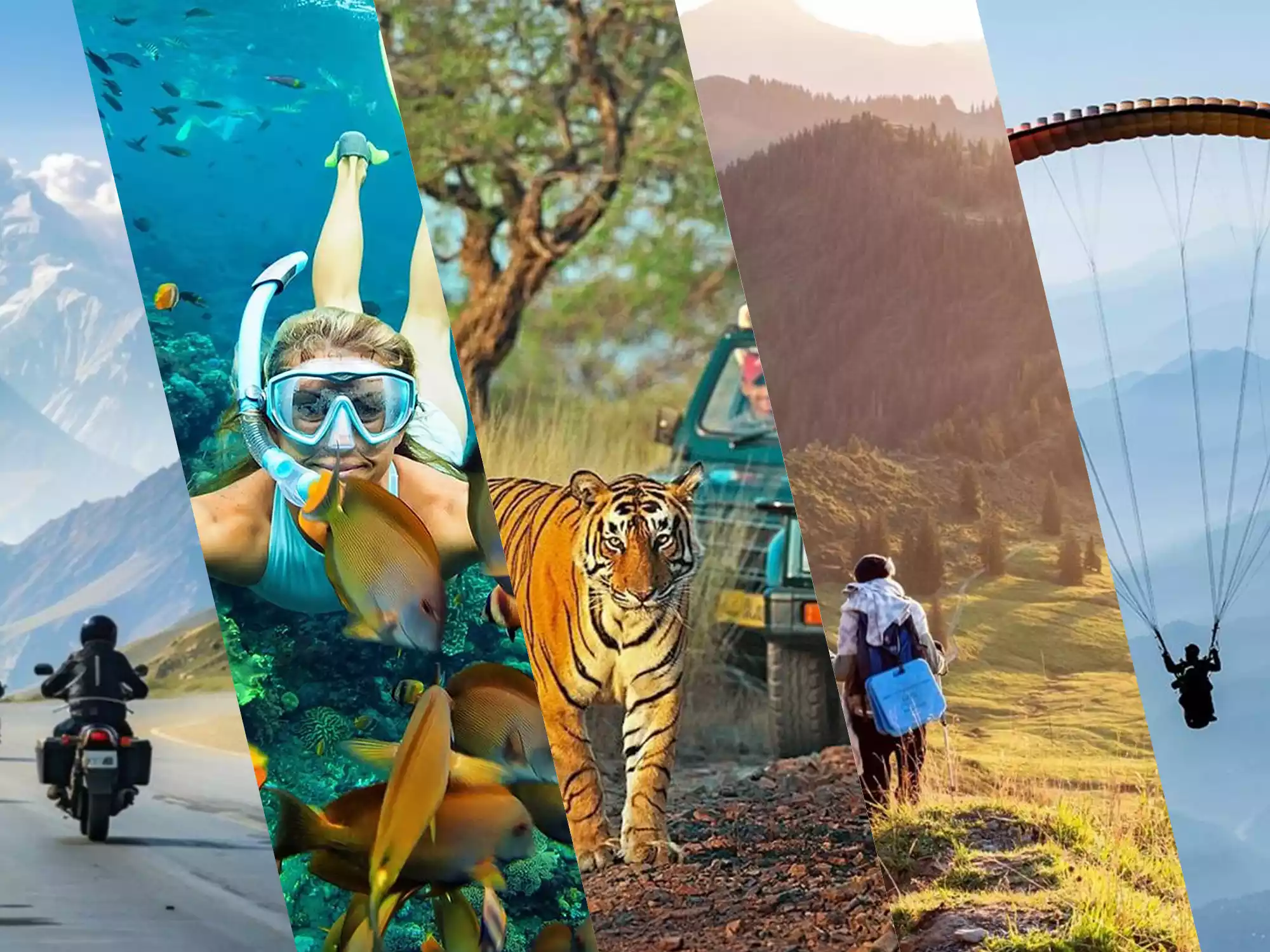
    Modern travelers are no longer satisfied with simply visiting famous landmarks or relaxing at luxury resorts. More people are choosing experiences that challenge their limits, introduce them to different cultures, and create lifelong memories. This shift has made Adventure Travel one of the fastest-growing segments of the global tourism industry. Whether it involves trekking through mountain trails, diving into crystal-clear waters, exploring dense forests, or embarking on thrilling road trips, adventure tourism offers something far beyond traditional vacations.

    In 2026, travelers are increasingly seeking meaningful journeys that combine excitement, sustainability, and personal growth. Remote work, flexible schedules, and improved transportation have made adventurous destinations more accessible than ever. Travelers also prioritize eco-friendly experiences, local communities, and responsible tourism. As a result, planning an adventurous trip requires more than choosing an exciting destination—it involves understanding safety, budgeting, environmental responsibility, and preparation.

    This comprehensive guide explains everything you need to know about Adventure Travel, including popular activities, planning strategies, safety recommendations, budgeting, emerging trends, and practical tips that help you create unforgettable experiences while traveling responsibly.

    What Is Adventure Travel?

    Adventure Travel refers to journeys that involve physical activities, exploration of natural environments, and cultural immersion. Unlike ordinary vacations focused on sightseeing, adventure trips encourage travelers to actively participate in experiences that require curiosity, endurance, and sometimes even courage.

    Adventure tourism covers a broad spectrum of activities. Some adventures are relatively easy, such as hiking scenic trails or kayaking on calm lakes, while others involve high-adrenaline experiences like mountaineering, white-water rafting, skydiving, or deep-sea diving. What connects all these activities is the opportunity to step outside everyday routines and embrace something extraordinary.

    Modern adventure travelers also appreciate authentic interactions with local communities. Visiting traditional villages, learning indigenous survival techniques, exploring wildlife habitats, or joining guided conservation projects have become equally important aspects of today’s adventure experiences.

    Why Adventure Travel Is More Popular Than Ever

    The popularity of adventure tourism continues to rise because travelers increasingly value experiences over material possessions. Social media has certainly inspired many people to discover hidden destinations, but the real motivation goes much deeper. Adventure trips provide emotional satisfaction, confidence, and unforgettable stories that last much longer than luxury purchases.

    Today’s travelers also recognize the mental and physical health benefits of outdoor activities. Hiking, cycling, climbing, and paddling reduce stress while encouraging physical fitness. Spending time in nature has been linked to improved mental well-being, making adventurous vacations an attractive escape from busy urban lifestyles.

    Another important reason behind the growth is improved accessibility. Better transportation networks, digital booking platforms, GPS navigation, and professional tour operators have made previously difficult destinations easier and safer to explore.

    Types of Adventure Travel Experiences

    Adventure tourism includes activities suitable for beginners as well as experienced explorers. The right experience depends on personal fitness, interests, available time, and budget.

    Soft Adventure

    Soft adventure activities require limited technical skills and moderate physical effort. These experiences are ideal for families, couples, and first-time travelers who want excitement without significant risks.

    Examples include nature walks, wildlife safaris, snorkeling, canoeing, cycling tours, camping, scenic trekking, and cultural exploration combined with outdoor activities.

    Hard Adventure

    Hard adventure involves physically demanding activities that often require specialized equipment, professional guidance, and advanced preparation. Participants usually need prior training or experience.

    Activities include mountain climbing, ice climbing, technical rock climbing, deep cave exploration, paragliding, scuba diving in advanced locations, high-altitude trekking, and multi-day wilderness expeditions.

    Choosing the Right Destination

    Selecting the ideal destination depends on your preferred activities, seasonal conditions, travel experience, and available budget. Mountain lovers often seek alpine regions for trekking and climbing, while ocean enthusiasts prefer destinations offering surfing, diving, or kayaking.

    Climate plays a significant role in successful trip planning. Researching weather conditions before booking helps avoid extreme temperatures, storms, or unsuitable trekking seasons. National parks, protected forests, coastal regions, deserts, volcanic landscapes, and river valleys each offer unique adventure opportunities throughout different times of the year.

    Another factor worth considering is infrastructure. Some remote destinations require advanced logistics, permits, vaccinations, or specialized transportation. Planning these details well in advance reduces unexpected challenges during the journey.

    Planning an Adventure Trip Successfully

    A memorable trip begins with careful preparation. While spontaneity can be exciting, adventure tourism demands thoughtful planning to maximize safety and enjoyment.

    The following checklist covers essential preparations:

    • Research seasonal weather and local conditions.
    • Purchase appropriate travel insurance covering adventure activities.
    • Carry suitable clothing and quality safety equipment.
    • Share your itinerary with family or trusted friends.
    • Learn basic emergency procedures before departure.

    Thorough planning minimizes unnecessary risks while allowing travelers to focus on enjoying their experiences instead of solving avoidable problems.

    Essential Equipment for Adventure Travel

    Choosing appropriate equipment significantly improves comfort, safety, and overall performance during outdoor adventures. Investing in reliable gear is often more valuable than purchasing expensive accessories that contribute little to actual travel needs.

    EquipmentPurposeImportance
    Hiking BackpackCarry supplies comfortablyEssential
    Waterproof JacketWeather protectionEssential
    Trekking ShoesStability and comfortEssential
    First Aid KitEmergency treatmentEssential
    Reusable Water BottleHydrationHighly Recommended
    Navigation Device or GPSRoute guidanceHighly Recommended
    HeadlampNight visibilityRecommended
    Power BankDevice chargingRecommended

    High-quality gear lasts longer, performs better in difficult environments, and often provides greater safety during unexpected situations.

    Safety Should Always Come First

    Excitement should never replace careful decision-making. Every adventurous activity carries some level of risk, but most accidents occur because of inadequate preparation rather than dangerous environments.

    Travelers should honestly evaluate their physical fitness before attempting demanding activities. Hiring certified local guides for unfamiliar destinations significantly reduces risks while improving the overall experience through local knowledge and expertise. Monitoring weather forecasts daily is equally important because mountain, desert, and coastal conditions can change rapidly.

    Understanding local emergency services, carrying communication devices where possible, and respecting official warnings help travelers make informed decisions throughout their journeys.

    Sustainable Adventure Travel

    Sustainability has become one of the defining characteristics of modern adventure tourism. Travelers increasingly recognize that preserving natural environments ensures future generations can enjoy the same breathtaking landscapes.

    Responsible travelers minimize waste, avoid disturbing wildlife, stay on designated trails, and support local businesses whenever possible. Choosing eco-friendly accommodations, reducing plastic consumption, and respecting local customs contribute positively to both communities and ecosystems.

    Many destinations now encourage visitors to participate in conservation activities such as beach cleanups, tree planting, wildlife monitoring, or environmental education programs. These experiences allow travelers to leave a positive impact beyond simply visiting a destination.

    Budgeting for Adventure Travel

    Adventure trips can fit a wide variety of budgets depending on transportation, accommodation, equipment, and chosen activities. Contrary to popular belief, exciting adventures do not always require luxury spending.

    Budget-conscious travelers often reduce expenses by traveling during shoulder seasons, using public transportation, renting equipment locally, staying in hostels or campsites, and booking activities in advance. Meanwhile, premium adventure packages may include experienced guides, specialized equipment, gourmet meals, and exclusive accommodations.

    Creating a realistic budget before departure helps avoid unnecessary financial stress while allowing flexibility for unexpected opportunities during the journey.

    Technology Is Transforming Adventure Tourism

    Technology has made adventurous journeys safer, more convenient, and increasingly accessible. GPS navigation, satellite communication devices, wearable fitness trackers, weather forecasting apps, and digital translation tools all contribute to improved travel experiences.

    Artificial intelligence now assists travelers in itinerary planning, personalized recommendations, language translation, and route optimization. Drones, action cameras, and lightweight photography equipment also allow travelers to document extraordinary experiences with impressive quality.

    Despite these technological advances, experienced adventurers still recommend maintaining traditional navigation skills, carrying physical maps when necessary, and avoiding complete dependence on electronic devices in remote environments.

    Common Mistakes First-Time Adventure Travelers Make

    Many beginners become overly excited and unintentionally overlook important preparation steps. Avoiding common mistakes significantly improves the quality of the overall experience.

    Some frequent errors include:

    • Underestimating weather conditions.
    • Carrying either excessive or insufficient equipment.
    • Ignoring physical fitness requirements.
    • Failing to purchase suitable travel insurance.
    • Overloading the itinerary with too many activities.

    Learning from experienced travelers and researching destinations carefully helps prevent these issues before departure.

    Health and Fitness Preparation

    Preparing your body before departure makes adventurous activities more enjoyable and reduces the likelihood of injuries. Cardiovascular endurance, flexibility, and basic strength training are particularly valuable for trekking, climbing, cycling, and paddling activities.

    Nutrition and hydration also play critical roles during adventure trips. Eating balanced meals, maintaining electrolyte levels, and drinking sufficient water improve endurance throughout physically demanding days. Travelers visiting high-altitude destinations should allow adequate time for acclimatization to reduce altitude-related illnesses.

    The Future of Adventure Travel

    The future of Adventure Travel continues to evolve alongside changing traveler expectations and technological innovation. Personalized itineraries, sustainable tourism, digital navigation, remote work opportunities, wellness-focused adventures, and community-based tourism are shaping the industry’s future.

    Climate awareness is also influencing destination choices. Travelers increasingly seek operators that prioritize environmental conservation, carbon reduction, and responsible tourism practices. Governments and tourism organizations continue investing in protected natural areas while balancing visitor access with ecosystem preservation.

    As global connectivity improves, even remote destinations are becoming more accessible without sacrificing authenticity. The emphasis is gradually shifting from simply visiting new places toward meaningful experiences that promote learning, cultural understanding, and environmental responsibility.

    Frequently Asked Questions

    What is Adventure Travel?

    Adventure Travel is a style of tourism focused on outdoor activities, exploration, physical challenges, and cultural experiences. It may include hiking, rafting, diving, wildlife exploration, cycling, camping, and many other exciting activities depending on the destination.

    Is Adventure Travel suitable for beginners?

    Yes. Many adventure activities are designed specifically for beginners and require little prior experience. Guided hiking, kayaking, wildlife safaris, beginner scuba courses, and cycling tours provide excellent introductions while maintaining high safety standards.

    How can I stay safe during an adventure trip?

    Safety begins with proper planning. Travelers should research destinations, monitor weather forecasts, carry appropriate equipment, purchase travel insurance covering adventure activities, maintain physical fitness, and follow professional guides whenever necessary.

    Is Adventure Travel expensive?

    Not necessarily. Costs vary greatly depending on destinations and activities. Budget travelers can reduce expenses through camping, hostels, public transportation, and off-season travel, while luxury adventure experiences naturally involve higher costs.

    Why is sustainable adventure tourism important?

    Sustainable tourism protects natural ecosystems, supports local communities, preserves wildlife habitats, and ensures future travelers can continue enjoying these remarkable destinations without causing environmental damage.

    Conclusion

    Adventure tourism continues to redefine the way people explore the world. Rather than simply observing destinations, travelers increasingly seek experiences that challenge their abilities, deepen cultural understanding, and create lasting memories. Whether hiking through mountain landscapes, kayaking along scenic coastlines, exploring rainforests, or discovering remote villages, every journey offers opportunities for personal growth and meaningful connections.

    As the travel industry continues evolving in 2026, careful planning, responsible tourism, environmental awareness, and respect for local communities remain essential elements of successful Adventure Travel. By preparing thoroughly, choosing suitable destinations, investing in proper equipment, and embracing sustainable practices, travelers can enjoy extraordinary adventures while helping preserve the world’s most remarkable natural and cultural treasures for generations to come.

  • Family Vacation Planning Guide for Memorable and Stress-Free Trips

    Family Vacation Planning Guide for Memorable and Stress-Free Trips

    A Family Vacation is much more than a break from daily routines. It is an opportunity for parents, children, and even grandparents to reconnect, explore new places, and create lasting memories together. In today’s fast-paced world, where work schedules, school commitments, and digital distractions often limit quality family time, taking a well-planned trip has become increasingly valuable. Whether it’s a weekend getaway, a beach holiday, a mountain retreat, or an international adventure, traveling together strengthens relationships while offering exciting learning experiences.

    The travel landscape in 2026 has also evolved significantly. Families now prioritize flexible bookings, sustainable tourism, digital travel tools, and destinations that provide activities suitable for every age group. Modern travelers seek accommodations with family-friendly amenities, reliable internet for remote work or learning if necessary, and attractions that balance entertainment with education.

    Planning the perfect Family Vacation requires thoughtful preparation rather than simply choosing a destination. Budget considerations, transportation, accommodation, health precautions, weather conditions, and age-appropriate activities all influence the overall experience. With proper planning, families can enjoy stress-free travel while maximizing both comfort and adventure.

    Why Family Vacations Matter More Than Ever

    Travel creates shared experiences that become cherished memories for years to come. Unlike material possessions, experiences remain valuable throughout life because they strengthen emotional bonds and encourage meaningful conversations long after the trip has ended. Children especially benefit from exposure to different cultures, cuisines, traditions, languages, and environments. Visiting museums, historical landmarks, wildlife parks, or natural wonders transforms learning into an enjoyable real-world experience that classrooms alone cannot provide.

    Parents also benefit significantly from family travel. A change of environment reduces stress, encourages relaxation, and offers opportunities to disconnect from everyday responsibilities. Spending uninterrupted time together allows family members to communicate more openly and build stronger relationships. Even simple activities such as hiking, cooking local dishes, watching sunsets, or exploring local markets create moments that bring families closer together.

    In recent years, wellness tourism has become increasingly popular among families. Resorts now offer children’s clubs, wellness programs, outdoor adventures, and family-oriented recreational activities that help everyone enjoy their vacation regardless of age.

    Choosing the Right Destination

    Selecting the right destination is one of the most important parts of planning a successful Family Vacation. Every family has unique preferences, and the ideal destination should satisfy different interests while remaining practical in terms of budget, travel time, and safety.

    Families with young children often prefer beach destinations or resorts where activities are easily accessible and travel is relatively relaxed. Families with teenagers may enjoy adventure destinations offering hiking, water sports, amusement parks, or wildlife experiences. Multigenerational families frequently choose destinations that combine relaxation with sightseeing, allowing everyone to participate comfortably.

    Current travel trends also show increasing interest in national parks, eco-tourism, cultural cities, countryside retreats, and destinations that avoid overcrowded tourist hotspots. These alternatives often provide better value while delivering authentic experiences.

    Popular Family Vacation Destination Types

    Destination TypeBest ForKey Benefits
    Beach HolidaysYoung childrenRelaxation, water activities, family resorts
    Mountain RetreatsNature loversHiking, fresh air, scenic views
    Theme ParksFamilies with kidsEntertainment for all ages
    Cultural CitiesEducational tripsMuseums, history, local culture
    National ParksOutdoor enthusiastsWildlife, adventure, nature exploration

    Planning a Realistic Budget

    One of the biggest concerns for families is managing travel expenses effectively. Fortunately, enjoyable vacations do not always require luxury spending. A carefully planned budget allows families to prioritize experiences while avoiding financial stress during or after the trip.

    Travel experts recommend creating separate budgets for transportation, accommodation, meals, activities, shopping, emergency expenses, and travel insurance. Booking flights and hotels several months in advance often provides significant savings. Flexible travel dates also increase the chances of finding better deals, particularly during shoulder seasons when destinations are less crowded but weather conditions remain favorable.

    Many families now choose vacation rentals with kitchens because preparing some meals helps reduce dining costs while accommodating dietary preferences and children’s eating schedules. Public transportation, city passes, and attraction bundles can also help lower overall travel expenses.

    Packing Smart for Every Family Member

    Packing efficiently can make the difference between a smooth journey and unnecessary stress. Instead of packing everything imaginable, focus on versatile clothing, essential documents, medications, weather-appropriate gear, and entertainment for children during transit.

    Some travel essentials include:

    • Comfortable clothing suitable for changing weather conditions.
    • Important travel documents, identification, insurance, and digital backups.
    • First-aid supplies and prescription medications.
    • Chargers, power banks, reusable water bottles, and snacks for long journeys.

    Packing cubes, luggage organizers, and digital packing checklists have become increasingly popular because they simplify organization while minimizing forgotten items.

    Making Travel Enjoyable for Children

    Children experience travel differently depending on their age. Younger children may become tired during long journeys, while older children often seek engaging activities and greater independence. Planning breaks, maintaining flexible schedules, and involving children in travel decisions helps keep everyone engaged throughout the trip.

    Parents can encourage children to research attractions before departure or maintain a travel journal documenting their favorite moments. Interactive museums, nature walks, animal sanctuaries, cultural workshops, and cooking classes offer educational experiences without feeling like formal lessons.

    Technology also plays an important role. Downloading offline maps, educational games, audiobooks, and movies before departure helps reduce boredom during flights or road trips without depending entirely on internet access.

    Finding Family-Friendly Accommodation

    Accommodation significantly affects the success of any Family Vacation. Modern families increasingly seek hotels, resorts, apartments, or vacation homes that provide spacious rooms, kitchen facilities, children’s play areas, swimming pools, laundry services, and flexible cancellation policies.

    Reading recent guest reviews remains one of the most effective ways to evaluate accommodations. Reviews often provide realistic information about cleanliness, safety, customer service, accessibility, and family-oriented facilities that official descriptions may not fully capture.

    Location also deserves careful consideration. Staying close to major attractions or public transportation reduces commuting time, making sightseeing easier for children and older family members alike.

    Staying Safe While Traveling

    Safety remains a top priority for travelers in 2026. Families should stay informed about destination-specific health guidelines, weather conditions, transportation updates, and local regulations before departure.

    A few practical safety habits can greatly improve the travel experience:

    • Share your itinerary with trusted relatives or friends.
    • Keep digital and printed copies of important documents.
    • Teach children emergency contact information.
    • Purchase comprehensive travel insurance before departure.

    Remaining aware of surroundings, respecting local customs, and following official travel advisories help families avoid unnecessary complications while enjoying their trip.

    Sustainable Family Travel

    Sustainability has become an important consideration for modern travelers. Families increasingly recognize that responsible tourism helps preserve destinations for future generations while supporting local communities.

    Simple choices can make a positive impact. Selecting eco-friendly accommodations, minimizing single-use plastics, using reusable water bottles, supporting locally owned businesses, and respecting wildlife contribute to more responsible travel. Many destinations now promote conservation programs, nature education, and environmentally friendly tourism experiences that children can actively participate in.

    Teaching young travelers about environmental responsibility during vacations also helps build lifelong awareness and appreciation for nature.

    Creating Meaningful Travel Experiences

    The most memorable vacations are rarely defined by expensive attractions alone. Instead, meaningful moments often come from shared experiences that strengthen family relationships. Watching a sunrise together, trying traditional local dishes, participating in community festivals, learning simple phrases in another language, or exploring quiet neighborhoods can become highlights of the journey.

    Rather than rushing through packed itineraries, many travel experts now recommend slower travel. Spending more time in fewer places reduces exhaustion and allows families to appreciate each destination more deeply. This approach also provides flexibility for unexpected discoveries that often become favorite memories.

    Photography remains an important part of documenting travel experiences, but families should also make time to enjoy destinations without constantly focusing on capturing every moment. Finding a healthy balance between photographs and genuine presence enhances the overall experience.

    Technology and Modern Family Travel

    Digital technology has transformed how families plan and enjoy vacations. Mobile applications now simplify flight tracking, hotel check-ins, navigation, language translation, restaurant reservations, and itinerary management. Contactless payments, digital boarding passes, and online ticket bookings reduce waiting times and improve convenience throughout the journey.

    Artificial intelligence is also becoming increasingly integrated into travel planning by providing personalized recommendations based on family preferences, budgets, and travel history. However, despite these technological advancements, maintaining flexibility remains important because weather changes, transportation delays, or unexpected opportunities can alter original plans.

    Balancing screen time with real-world experiences ensures children remain engaged with their surroundings instead of spending the entire vacation on electronic devices.

    Frequently Asked Questions

    What is the best time to plan a Family Vacation?

    The ideal planning period is usually three to six months before departure. Early planning often results in better prices for flights, hotels, and attractions while providing enough time to organize travel documents and create a balanced itinerary.

    How can families save money while traveling?

    Families can reduce expenses by booking early, traveling during off-peak seasons, choosing accommodations with kitchen facilities, using public transportation, purchasing attraction passes, and setting a realistic daily budget before departure.

    How do I keep children entertained during long trips?

    Preparing books, puzzles, travel games, downloaded movies, audiobooks, coloring materials, and healthy snacks helps keep children occupied. Frequent breaks during road trips and involving children in sightseeing decisions also improve the overall experience.

    Is travel insurance necessary for family vacations?

    Yes. Travel insurance provides financial protection against medical emergencies, trip cancellations, lost baggage, and unexpected travel disruptions. It offers peace of mind and is especially valuable when traveling with children.

    What should be the top priority when choosing a destination?

    Families should consider safety, accessibility, budget, weather, available activities for different age groups, healthcare facilities, and accommodation options before selecting a destination. Balancing everyone’s interests leads to a more enjoyable trip.

    Conclusion

    A well-planned Family Vacation offers far more than sightseeing or relaxation—it creates opportunities for families to reconnect, learn together, and build memories that last a lifetime. From choosing the right destination and managing a realistic budget to packing wisely and embracing sustainable travel practices, every step contributes to a smoother and more rewarding journey.

    As travel continues to evolve in 2026, families benefit from better technology, flexible booking options, improved safety measures, and a growing range of destinations designed specifically for multigenerational travelers. Whether your next adventure takes you to a peaceful beach, a vibrant city, a scenic mountain range, or a beautiful national park, thoughtful preparation ensures that every family member enjoys the experience.

    Ultimately, the true value of a Family Vacation lies not in luxury or distance traveled but in the shared laughter, discoveries, conversations, and unforgettable moments created together. Those experiences become stories that families continue to cherish for years, making every carefully planned journey an investment in lasting happiness.

  • Travel Guide: The Complete Guide for Safe, Smart, and Memorable Trips

    Travel Guide: The Complete Guide for Safe, Smart, and Memorable Trips

    Travel has evolved significantly in recent years, with travelers seeking experiences that go beyond sightseeing. Modern journeys focus on cultural immersion, sustainability, flexibility, and meaningful adventures. Whether you’re planning a weekend getaway, an international vacation, or a long-term backpacking trip, careful planning makes every journey more enjoyable and less stressful. A well-prepared traveler not only saves money but also avoids common travel challenges such as unexpected expenses, transportation delays, or documentation issues.

    This comprehensive Travel Guide is designed to help travelers confidently prepare for every stage of their journey. From selecting the perfect destination to budgeting wisely, packing efficiently, staying safe, and embracing local culture, this guide covers everything you need to know. The travel landscape in 2026 emphasizes digital convenience, responsible tourism, and personalized experiences, making preparation more important than ever.

    Whether you’re traveling solo, with family, friends, or colleagues, understanding modern travel trends helps create smoother and more memorable experiences. By following practical advice and planning ahead, you can maximize your time, reduce unnecessary stress, and focus on enjoying every destination you visit.

    Why a Travel Guide Matters More Than Ever

    Every successful trip begins with good planning. A detailed Travel Guide provides the knowledge needed to make informed decisions before leaving home. Instead of relying on last-minute choices, travelers who prepare properly often spend less money, experience fewer surprises, and enjoy their destinations more fully.

    Today’s travelers also face changing entry requirements, seasonal weather patterns, digital booking systems, and increased interest in sustainable tourism. Researching these aspects before departure helps avoid inconvenience and ensures a smoother experience. A travel guide serves as a roadmap that keeps important information organized while allowing flexibility for spontaneous adventures.

    Rather than following crowded tourist routes, many travelers now seek authentic experiences, local food, cultural activities, and lesser-known attractions. Good planning helps balance famous landmarks with hidden gems, creating richer travel memories.

    Choosing the Right Destination

    Selecting a destination involves much more than browsing attractive photos online. Budget, travel season, climate, visa requirements, personal interests, and trip duration should all influence your decision. Some destinations are ideal for adventure seekers, while others focus on relaxation, history, wildlife, or culinary experiences.

    Before making reservations, research local festivals, weather conditions, transportation systems, and accommodation availability. Traveling during shoulder seasons often provides lower prices, fewer crowds, and pleasant weather. Flexibility with travel dates can significantly reduce overall costs while improving the quality of your experience.

    Consider These Factors Before Booking

    • Budget and daily travel expenses
    • Climate and best season to visit
    • Local transportation availability
    • Safety, healthcare, and travel advisories
    • Cultural events and local attractions

    Planning Your Budget Effectively

    One of the most important parts of any Travel Guide is budgeting. Financial planning allows travelers to enjoy experiences without worrying about unexpected costs. Instead of estimating expenses roughly, divide your budget into categories including transportation, accommodation, meals, activities, shopping, insurance, and emergency funds.

    Technology has made expense tracking easier than ever. Mobile payment options, budgeting apps, and digital banking help travelers monitor spending throughout their journey. However, carrying a small amount of local currency remains useful for small businesses, local markets, and transportation services that may not accept digital payments.

    Maintaining an emergency fund is equally important. Unexpected flight changes, medical situations, or transportation disruptions can happen, and having reserved funds provides peace of mind throughout the trip.

    Essential Travel Planning Checklist

    Proper preparation reduces stress before departure and minimizes the chance of forgetting important items. Instead of packing at the last minute, organize travel documents, reservations, and essentials several days in advance.

    Travel PreparationWhy It Matters
    Passport and IdentificationRequired for domestic and international travel
    Flight or Transport TicketsConfirms reservations and schedules
    Accommodation DetailsSimplifies check-in and navigation
    Travel InsuranceProtects against unexpected situations
    Emergency ContactsHelpful during emergencies
    Payment MethodsProvides financial flexibility
    Digital Copies of DocumentsUseful if originals are lost

    Preparing these essentials early allows travelers to focus on enjoying their journey instead of solving avoidable problems.

    Smart Packing Tips for Every Traveler

    Packing efficiently can greatly improve your travel experience. Overpacking increases baggage costs and makes moving between destinations more difficult. Underpacking, on the other hand, may lead to unnecessary purchases during the trip.

    Choose clothing suitable for the local climate and activities you plan to enjoy. Lightweight layers work well because weather conditions can change unexpectedly. Comfortable walking shoes, reusable water bottles, portable chargers, medications, and weather protection should always be included in your luggage.

    Organizing belongings with packing cubes or compression bags saves space while making it easier to locate items during the trip. Keeping important documents and electronics in carry-on luggage also reduces inconvenience if checked baggage is delayed.

    Using Technology to Travel Smarter

    Technology has transformed how people travel. Mobile boarding passes, digital hotel check-ins, online translation tools, navigation apps, and cashless payments simplify almost every aspect of a journey.

    Artificial intelligence now assists travelers with itinerary planning, language translation, personalized recommendations, and real-time travel updates. Offline maps remain valuable because internet connectivity may not always be available, particularly in remote regions.

    Modern travelers should also enable two-factor authentication for important accounts, back up photos to cloud storage, and keep devices charged using portable power banks. These simple habits improve both convenience and security throughout the journey.

    Transportation Options and Local Mobility

    Transportation choices influence both budget and travel experience. Public transportation often provides an affordable and authentic way to explore cities, while rental vehicles offer greater flexibility in rural areas or regions with limited transit options.

    Before arriving, familiarize yourself with local transportation systems, payment methods, and operating hours. Many destinations now support contactless ticketing and mobile payment systems, making travel more convenient than ever. Walking tours and cycling are also increasingly popular because they allow visitors to experience neighborhoods more closely while reducing environmental impact.

    Accommodation Choices for Different Travel Styles

    Accommodation preferences vary depending on travel goals and budgets. Luxury hotels provide premium amenities, while boutique hotels offer personalized experiences. Vacation rentals often suit families or extended stays, and hostels remain popular among solo travelers and backpackers seeking affordability and social interaction.

    When selecting accommodation, consider more than price alone. Location, transportation access, cleanliness, security, cancellation policies, and guest reviews all contribute to the overall experience. Staying slightly outside busy tourist districts can often reduce costs while providing a more authentic local atmosphere.

    Staying Safe During Your Journey

    Safety should remain a priority throughout every trip. Although most journeys are enjoyable and trouble-free, preparation significantly reduces potential risks. Research local customs, emergency numbers, healthcare facilities, and transportation options before arrival.

    Avoid displaying expensive valuables publicly, remain aware of your surroundings, and secure important documents in a safe location. Share your itinerary with trusted family members or friends, especially during solo travel. Purchasing comprehensive travel insurance adds another layer of protection against unexpected events such as medical emergencies, cancellations, or lost luggage.

    A reliable Travel Guide always encourages travelers to respect local laws and cultural traditions while remaining alert in unfamiliar environments.

    Sustainable and Responsible Tourism

    Responsible travel has become increasingly important as destinations work to preserve natural environments and cultural heritage. Travelers can positively impact local communities by choosing environmentally responsible accommodations, supporting locally owned businesses, reducing waste, and respecting wildlife.

    Simple decisions such as carrying reusable water bottles, minimizing single-use plastics, using public transportation, and purchasing locally made products contribute to more sustainable tourism. Responsible travelers also respect historical sites, natural parks, and community traditions, ensuring future generations can enjoy these destinations.

    Modern tourism is no longer just about visiting places—it is about leaving a positive impression while protecting the environment and supporting local economies.

    Common Mistakes Travelers Should Avoid

    Even experienced travelers occasionally make avoidable mistakes. Learning from common travel errors can save both time and money while improving the overall experience.

    • Waiting until the last minute to book important reservations.
    • Ignoring local weather forecasts before packing.
    • Exchanging all money at airports without comparing rates.
    • Forgetting travel insurance or emergency contacts.
    • Overplanning every hour instead of allowing flexibility.

    Avoiding these mistakes helps create a smoother and more enjoyable journey.

    Current Travel Trends in 2026

    The travel industry continues to evolve as traveler expectations change. Digital convenience, flexible booking policies, remote work opportunities, and environmentally conscious tourism now shape many travel decisions. More travelers are combining business trips with leisure experiences, often referred to as “bleisure” travel.

    Artificial intelligence assists with itinerary planning, while contactless technology speeds up airport procedures and hotel check-ins. Personalized recommendations based on traveler interests are becoming increasingly common, helping visitors discover attractions beyond traditional tourist destinations.

    Another noticeable trend is the growing popularity of slow travel. Instead of visiting numerous destinations quickly, travelers are spending more time in fewer locations, allowing deeper cultural connections and reducing transportation-related environmental impacts. This approach aligns perfectly with the philosophy promoted throughout this Travel Guide.

    Frequently Asked Questions

    What is a Travel Guide?

    A Travel Guide is a resource that provides information about planning, budgeting, transportation, accommodation, safety, local attractions, and practical travel advice. It helps travelers prepare for enjoyable and organized journeys.

    How far in advance should I plan my trip?

    Planning two to six months ahead is generally ideal for most vacations. Early planning provides better accommodation choices, lower transportation costs, and enough time to prepare documents if international travel is involved.

    Is travel insurance really necessary?

    Travel insurance is strongly recommended because it offers financial protection against medical emergencies, cancellations, lost luggage, delays, and other unexpected situations. The level of coverage should match the type and duration of your trip.

    How can I reduce travel expenses?

    Travelers can reduce costs by booking early, traveling during shoulder seasons, using public transportation, comparing accommodation options, eating at local restaurants, and creating a realistic budget before departure.

    What are the most important items to pack?

    Important essentials include identification documents, travel tickets, payment methods, medications, chargers, weather-appropriate clothing, toiletries, emergency contacts, and copies of important documents stored digitally.

    Conclusion

    A successful journey begins long before departure. Careful planning, smart budgeting, responsible packing, and understanding local customs all contribute to a more rewarding travel experience. Modern travelers benefit from digital tools, flexible booking options, and greater access to information than ever before, making preparation easier while opening opportunities to explore destinations more confidently.

    This comprehensive Travel Guide demonstrates that memorable travel is not simply about reaching a destination—it is about enjoying every step of the journey responsibly, safely, and thoughtfully. Whether you’re planning your first vacation or your next international adventure, investing time in preparation allows you to create unforgettable experiences, build meaningful cultural connections, and return home with stories that last a lifetime.

  • Warnungen und Casino-Blacklists sorgfältig bewerten – mit casino dendera RTP-Einordnung | mit SEPA

    Dieser Ratgeber behandelt warnlisten und ordnet wichtige Informationen für Deutschland ein. Er trennt Anbieterangaben, Nutzermeinungen und überprüfbare Fakten. (more…)

  • Haya el préstamo prestamos alvo personal a la medida sobre atención mayormente baja.

    Una vez que estés elaborado para acudir algún préstamo, establece diferencias entre cada empresas financieras de encontrar la medida sobre interés de mayor baja. Ciertas poseen ingresos y descuentos a determinados prestatarios. Por ejemplo, Citizens Bank brinda un reducción para franqueza a quienes configuran nuestro paga automático. (more…)

  • Auszahlung auf das eigene Bankkonto: casino online Lex IBAN und Kontoinhaber – mit Checkliste für die Kasse | mit klaren Gebühren

    Dieser Ratgeber behandelt kontoauszahlung und ordnet wichtige Informationen für Deutschland ein. Er trennt Anbieterangaben, Nutzermeinungen und überprüfbare Fakten. (more…)